Hands and arms are often closest to the tools, materials, machinery, chemicals, heat, and other hazards involved in a task. Injuries can happen quickly and range from minor cuts and burns to crushing injuries, chemical exposure, electrical injuries, and amputations.
Effective protection begins with identifying the hazards and controlling them whenever possible, then selecting hand and arm protection that is appropriate for the work and fits the worker properly.
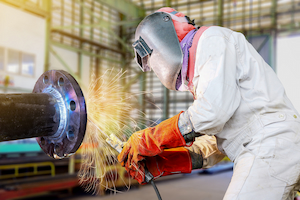
Effective hand and arm protection starts with understanding the hazards, selecting the right protective equipment, and using it correctly during every task. This article covers common hazards, how to choose the right protection, and best practices for safe use, inspection, and storage.
Why Hand and Arm Protection Matters
Hands and arms are used in nearly every task throughout the workday. Whether gripping tools, moving materials, or working near machinery, these body parts are often closest to the hazard.
Injuries can range from minor abrasions to severe incidents such as fractures or amputations. Because of this, protecting hands and arms is critical to maintaining productivity, preventing lost time, and reducing overall risk.
While protective equipment plays an important role, it should not be the first solution. Safer work practices, machine guards, barriers, and proper tool design should always be considered first. Protective equipment should be used when hazards cannot be eliminated.
Common Hand and Arm Hazards
Understanding hazards is the first step in preventing injuries. Many incidents occur during routine tasks where risks may not be immediately obvious.
Mechanical Hazards are among the most common hazards to the hands and arms. Mechanical hazards include:
- Cuts, punctures, and lacerations from sharp tools or materials
- Abrasions from rough surfaces or repeated contact
- Crushing or pinching hazards from moving equipment or materials
- Fractures or amputations from machinery or heavy loads
Thermal Hazards are exposure to extreme temperatures that can result in serious injuries. Thermal hazards to the hands and arms include:
- Burns from hot surfaces or molten materials
- Injuries from sparks or open flames
Chemical and Electrical Hazards involve exposure to substances or energy sources that require specialized protection, like:
- Chemical exposure through splashes, absorption, or immersion
- Electrical hazards when working near energized equipment

Conflicting Hazards
Some tasks involve competing risks. For example, gloves may protect against cuts but increase the risk of entanglement around rotating equipment. In these situations, hazards must be carefully evaluated, and protection must be selected based on the specific task.
Selecting the Right Hand and Arm Protection
There is no single glove or sleeve that protects against every hazard. Selecting the correct protection requires evaluating several factors.
OSHA Standard 1910.138(a) Employers shall select and require employees to use appropriate hand protection when employees' hands are exposed to hazards.
Choosing the right protection depends on:
- The type of hazard present, such as chemical, thermal, electrical, or mechanical
- The nature of contact, including splash, immersion, or direct handling
- The duration and frequency of exposure
- The required level of protection
- The area needing protection, such as the hand, forearm, or full arm
- Grip requirements in dry, wet, or oily conditions
- The need for dexterity and tactile sensitivity
- Proper fit and comfort to ensure consistent use
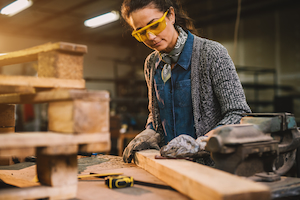
Selecting the wrong type of glove or sleeve, or using it incorrectly, can be just as dangerous as not using protection at all.
Common Types of Protective Gloves
Protective gloves generally fall into several categories:
- Leather or metal mesh gloves for cut and abrasion hazards
- Fabric and coated fabric gloves for light-duty tasks and grip
- Chemical- and liquid-resistant gloves for handling hazardous substances
- Insulating rubber gloves for electrical work
Each type is designed for specific hazards and must be matched to the task.
OSHA Standard 1910.138(b) Employers shall base the selection of the appropriate hand protection on an evaluation of the performance characteristics of the hand protection relative to the task(s) to be performed, conditions present, duration of use, and the hazards and potential hazards identified.
Proper Use of Hand and Arm Protection
Protective equipment is only effective when it is used correctly and consistently.
Hand and arm protection must be worn properly during the entire task. Removing gloves or sleeves, even briefly, can expose workers to hazards at the moment risk is highest.
OSHA Standard 1926.28(a) The employer is responsible for requiring the wearing of appropriate personal protective equipment in all operations where there is an exposure to hazardous conditions.
Protection should cover all exposed areas without interfering with safe movement, grip, or equipment operation. When additional protection is needed, extended-length gloves, gauntlets, or sleeves may be required.
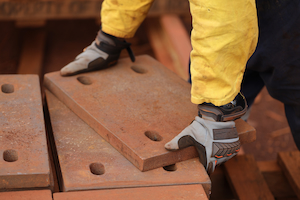
Protective equipment must also be compatible with the task. If it limits safe work or reduces control of tools or materials, the protection or task should be reevaluated.
Gloves and sleeves should never be modified. Cutting cuffs, trimming fingers, or altering the fit can reduce effectiveness and create new hazards.
Balancing Protection and Performance
Thicker gloves may provide greater protection, but they can also reduce grip and dexterity. Reduced control increases the risk of dropping objects or making contact with hazards.
The goal is to balance protection with the ability to perform the task safely and effectively.
OSHA Standard 1926.95(c) Employers must ensure that all personal protective equipment is of safe design and construction for the work to be performed and is selected to ensure that it properly fits each affected employee.
Inspection and Maintenance
Hand and arm protection must be inspected before each use. Damaged or worn equipment may not provide the protection it was designed to deliver.
Before using gloves or sleeves, check for:
- Cuts, tears, punctures, or worn areas
- Cracked, stiff, or brittle material
- Discoloration or swelling from chemical exposure
- Damaged seams, cuffs, or closures
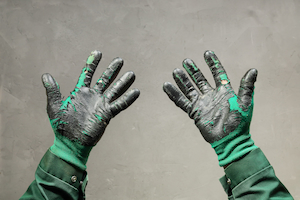
Any equipment showing signs of damage or excessive wear should be removed from service.
Gloves that have become stiff, soft, sticky, or misshapen may be breaking down and should not be used.
Proper Storage of Gloves and Sleeves
Proper storage helps maintain the effectiveness and lifespan of protective equipment.
Gloves and sleeves should be stored in a clean, dry location away from direct sunlight, heat sources, sharp objects, and chemicals that could damage the material.
Improper storage can lead to material breakdown, reduced protection, and unnecessary replacement costs.
Employer and Worker Responsibility
Safety is a shared responsibility. Employers are responsible for ensuring that appropriate protective equipment is selected, provided, and properly fitted for each worker. They must also ensure that equipment is suitable for the work being performed.
Workers are responsible for using the equipment correctly, inspecting it before use, and reporting any damage or concerns.
When both roles are fulfilled, the risk of hand and arm injuries can be significantly reduced.
Hand and arm protection is a critical part of workplace safety. Understanding hazards, selecting the right equipment, and using it properly can prevent injuries and improve overall safety.
Consistent use, proper inspection, and correct storage all play a role in ensuring that protective equipment performs as intended. When combined with safe work practices and hazard awareness, these steps help create a safer work environment for everyone.
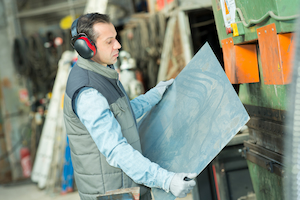
Hand and arm protection must be matched to the specific hazards and conditions of each task. Workers should understand the limitations of their gloves and sleeves, inspect protective equipment before use, wear it correctly, and replace it when damage or deterioration could reduce protection. PPE should also be used together with machine guarding, safer work practices, and other appropriate hazard controls.
Taking the time to choose and use the right protection can help prevent injuries to the hands and arms that workers rely on every day.
.jpeg)

.jpg)