15 Free Heavy Equipment Safety Articles
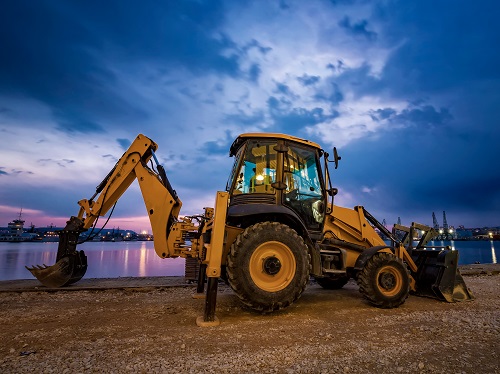
Heavy equipment safety is the set of training, procedures, and work practices that protect operators and everyone on foot when powered machinery like forklifts, cranes, loaders, and dump trucks is in use. Heavy equipment moves heavy loads with limited visibility and large blind spots, which makes struck-by, crushed-by, and caught-in incidents among the most serious hazards on any construction or industrial site.
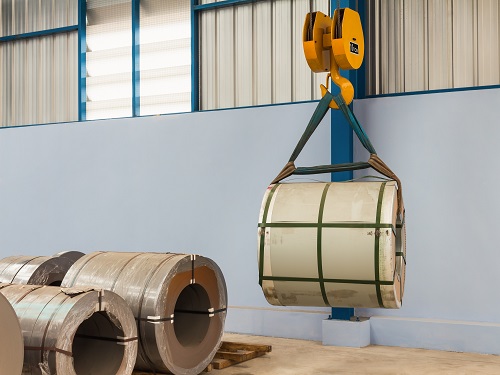
The heavy equipment safety articles on this page explain the hazards of specific machines and how to control them. Read about forklift operator training and inspections, keeping pedestrians safe when forklifts are in the area, spotter and ground-guiding practices, skid-steer loaders, dump trucks, and the safe hauling of heavy equipment. Articles also cover overhead and gantry cranes, the specialized training that large cranes require, automated guided vehicles, and why routine maintenance keeps equipment safe to operate.
Foremen and safety managers can use these articles to review a hazard before a job, train a new operator or spotter, or prepare for a toolbox talk. They are written for equipment operators, foremen, and safety managers who are responsible for keeping a crew safe when heavy machinery is on the move.
Why it matters
Heavy equipment is a major source of struck-by and caught-between incidents.
Heavy Equipment Safety Articles


Heavy Equipment FAQs
Does OSHA require training to operate a forklift?
Yes, OSHA's powered industrial truck standard (OSHA 1910.178) requires forklift operators to be trained before they drive a forklift on their own, and the employer must certify that training. Forklift operators need a performance re-evaluation at least every three years, plus refresher training after an accident, a near miss, or unsafe operation.
How do you keep pedestrians safe around heavy equipment?
To keep pedestrians safe around heavy equipment, separate people from machines whenever possible. Use physical barriers, marked walkways, and planned traffic patterns to keep workers on foot out of equipment paths, and add a trained spotter, high-visibility apparel, and eye contact with the operator when someone must be near a working machine. Operators should stop if a spotter or pedestrian leaves their view.
Why are blind spots so dangerous on heavy equipment?
Large machines have blind spots on every side where the operator cannot see a worker on foot, which is a leading cause of struck-by and backover incidents. Controls include spotters, backup alarms and cameras, internal traffic control plans, and making eye contact with the operator before approaching the equipment.
How often should heavy equipment be inspected?
Operators should inspect equipment before each shift or use, checking items like tires, hydraulics, brakes, lights, alarms, and safety devices, and remove any unsafe machine from service. OSHA requires forklifts to be examined at least daily, or after each shift when used around the clock, and cranes have their own frequent and periodic inspection requirements.
Do crane operators need to be certified?
Crane operators must be certified by an accredited body and evaluated by their employer according to OSHA's construction crane standard (OSHA 1926.1400). Crane work also relies on qualified riggers and signal persons and a planned lift zone that keeps workers clear of the load and the swing radius.
What are the most common heavy equipment hazards?
The most common heavy equipment hazards are struck-by and backover incidents, caught-in or crushed-between hazards, tip-overs or rollovers, and being caught in pinch points during maintenance. Blind spots, untrained operators, skipped inspections, and workers on foot in the equipment's path all contribute. Seat belts, rollover protection, lockout/tagout, and operator training reduce the risk.