7 Free Confined Space Safety Articles
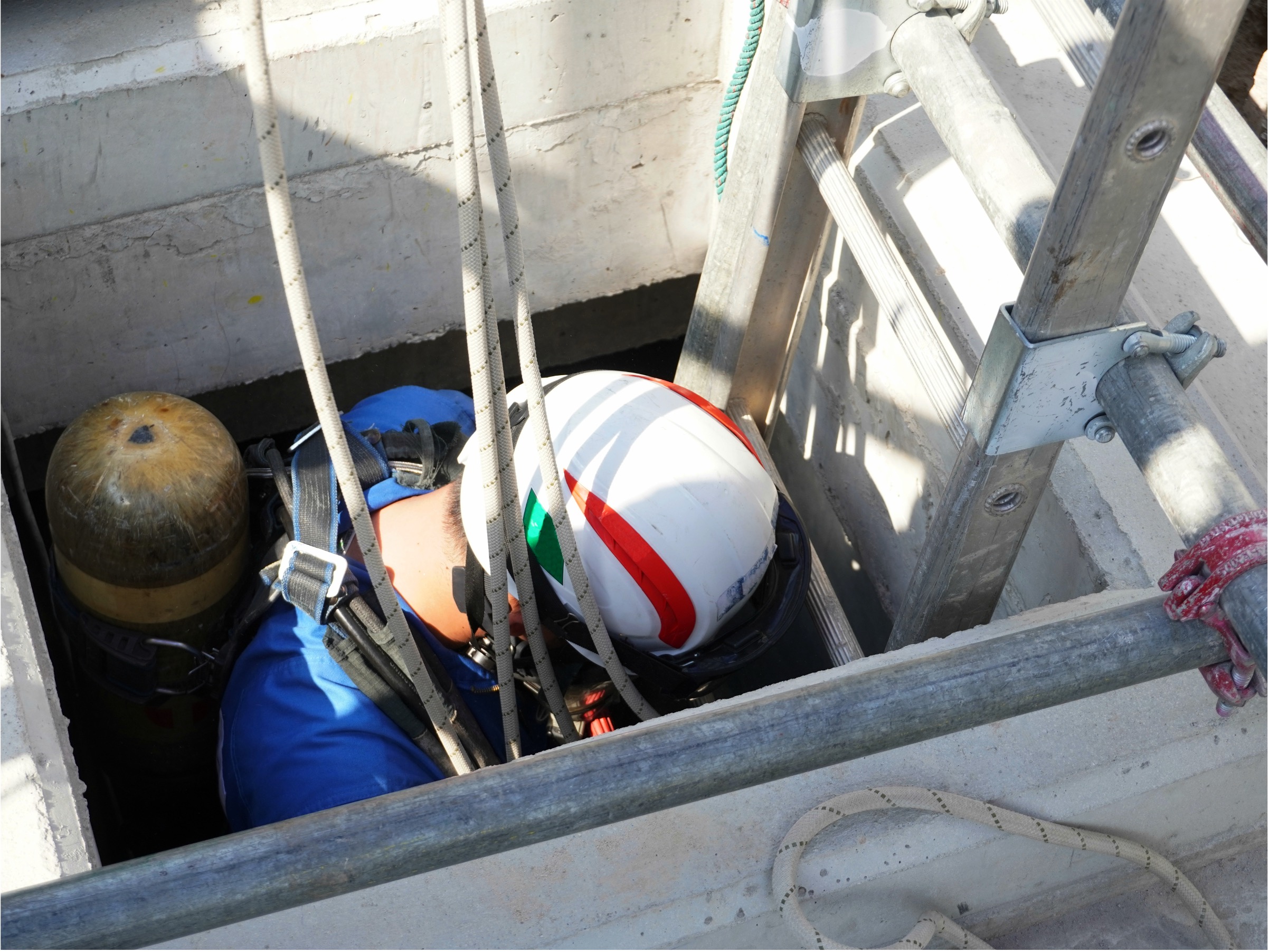
A confined space is an area large enough to enter and work in that has limited means of entry or exit and is not designed for continuous occupancy, such as a tank, silo, storage bin, manhole, or vault. These spaces are dangerous because the same features that make them hard to get into and out of can trap a worker, and because the air inside can turn oxygen-deficient, toxic, or flammable with no warning.
The articles on this page explain how to recognize and control confined space hazards, grounded in current OSHA requirements. They cover what makes a space permit-required, how to complete a hazard evaluation before entry, and the invisible atmospheric hazards behind many confined space deaths. They also walk through the entrant, attendant, and entry supervisor roles, rescue planning for an emergency, and specific work such as manholes and grain storage bins, where engulfment is a constant risk.
Use them to plan an entry, brief an entry team, train a new worker, or prepare for a safety meeting. They are written for supervisors, safety managers, and anyone responsible for keeping a crew safe before and during work in a confined space.

Why it matters
Confined spaces can become deadly without proper planning and hazard controls.
Confined Space Safety Articles




Confined Spaces FAQs
What is a confined space?
A confined space is any space large enough for a worker to bodily enter and perform work, with limited or restricted means of entry or exit, that is not designed for continuous occupancy. Common examples include tanks, vessels, silos, storage bins, hoppers, manholes, pits, and vaults.
What makes a confined space permit-required?
A confined space is permit-required when it has one or more serious hazards like a hazardous atmosphere, potential for engulfment, an internal configuration that could trap or asphyxiate an entrant, or any other recognized serious safety or health hazard.
What are the three roles in permit-required confined space entry?
The three roles in permit-required confined space entry are the authorized entrant who works inside, the attendant who stays outside to monitor and communicate with entrants, and the entry supervisor who authorizes entry and confirms conditions are safe. The attendant must never enter the space to attempt a rescue, since that would leave the entrants unmonitored and often creates a second victim.
What must be checked in a confined space atmosphere before entry?
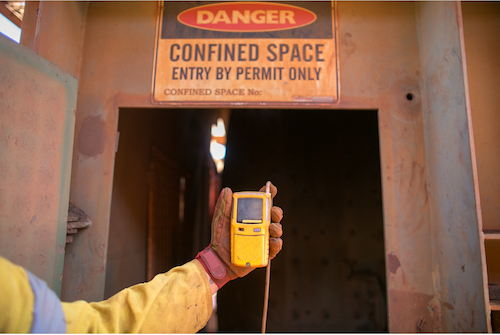
Before entry, a confined space atmosphere must be tested in a set order: oxygen first, then flammable gases and vapors, then toxic contaminants. OSHA treats an atmosphere as hazardous below 19.5% or above 23.5% oxygen, when a flammable gas or vapor reaches 10% of its lower flammable limit, or when a toxic substance exceeds its permissible exposure limit.
Does OSHA require a rescue plan for confined space entry?
Yes, OSHA requires a rescue plan for confined space entry. Before permit entry the employer must arrange rescue and emergency services and confirm they can reach and retrieve entrants from that specific space in time, whether an on-site team or an off-site service. A retrieval system, a full-body harness and line, must be used for most entries, and a mechanical retrieval device must be available for vertical spaces more than 5 feet deep.
Why are grain bins and other engulfment hazards so deadly?
Grain bins and other engulfment hazards are so deadly because a worker can be surrounded and captured by a flowing solid or liquid, such as grain, sand, or water, that buries, drowns, or suffocates them. Flowing grain behaves like quicksand and a worker can be trapped in seconds and fully submerged in about a minute, which is why OSHA prohibits practices like walking down grain to make it flow.