25 Free Hand and Power Tool Safety Articles
Hand and power tool safety is the set of work practices, guarding, inspection, and training that protects workers from injury when they use tools, from simple hand tools to powered saws, grinders, and pneumatic equipment. Tools are part of almost every job, and that everyday familiarity is what makes them easy to underestimate, since most tool injuries trace back to misuse, a missing guard, poor maintenance, or the wrong tool for the task.
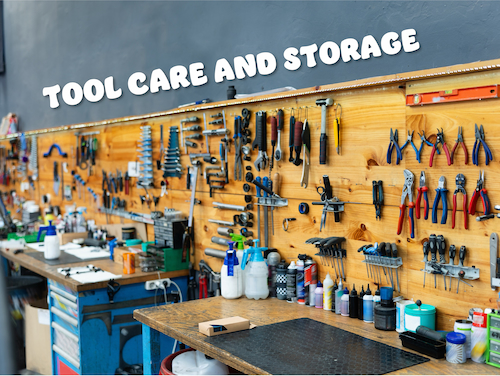
The hand and power tool safety articles on this page explain the common hazards of specific tools and how to control them. Topics include hand tools and power tools, bench and portable grinders, welding, cutting, and brazing, pneumatic and hydraulic tools, chainsaws, nail guns, and saws that range from handheld models to walk-behind and stationary masonry saws, along with everyday habits like tool care, storage, and inspection.
Supervisors and safety managers can use these articles to review a hazard before a task, train a new worker on a tool they have not used before, or prepare for a safety meeting on the shop floor or job site. These tool safety articles are written for supervisors, safety managers, and anyone responsible for keeping a crew safe around hand and power tools.
Why it matters
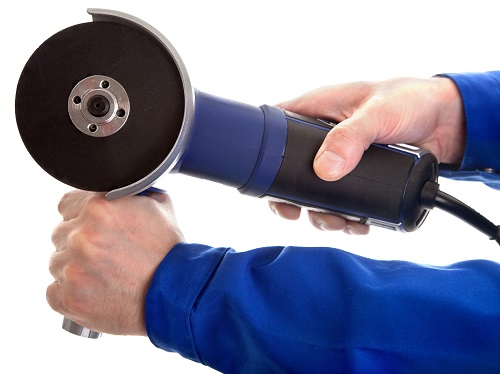
A majority of tool-related injuries are caused by improper use.
Hand and Power Tool Safety Articles





Tools FAQs
Who is responsible for keeping tools in safe condition, the worker or the employer?
The employer is responsible for keeping tools in safe condition, including tools that workers own and bring from home. OSHA holds the employer accountable for the safe condition of all tools used by employees (OSHA 1910.242(a) in general industry, and OSHA 1926.300(a) in construction). Damaged or unsafe tools must be taken out of service.
Do portable power tools need machine guards?
Yes, power tools with exposed moving parts such as belts, gears, drums, rotating spindles, and points of operation must be guarded, and the guard has to be in place whenever the tool is running (OSHA 1926.300(b), OSHA 1910.243). Guards should never be removed or tied back to work faster.
What are the guard clearances for a bench grinder?
A bench grinder needs two gaps kept tight: the work rest must be adjusted to within 1/8 inch of the wheel, and the adjustable tongue guard at the top of the wheel must be kept within 1/4 inch of the wheel (OSHA 1926.303, OSHA 1910.215). Keeping these clearances tight stops the workpiece from being pulled between the wheel and the rest.
What PPE should workers wear when operating power tools?
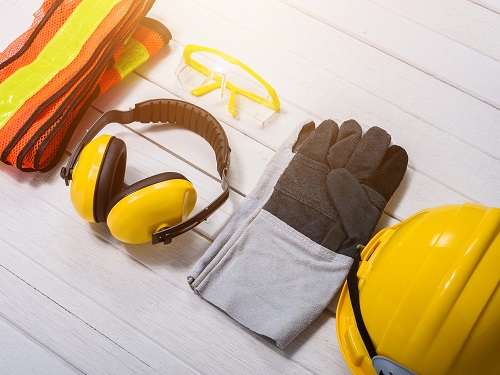
Workers should wear eye and face protection against flying particles, plus hearing protection for loud tools like grinders and saws. Depending on the task you may also need cut-resistant gloves, a face shield, or a respirator for dust. Keep loose gloves, sleeves, and jewelry away from rotating tools, where they can be caught and pull a hand into the tool.
What are OSHA's basic safety rules for using power tools?
OSHA's basic rules for power tools come down to a few habits: never carry a tool by its cord or hose, never yank the cord to unplug it, keep cords and hoses away from heat, oil, and sharp edges, and disconnect the tool before servicing it or changing an accessory. OSHA also calls for keeping bystanders clear and securing the work with a clamp or vise so both hands can control the tool.
Should workers inspect a tool before every use?
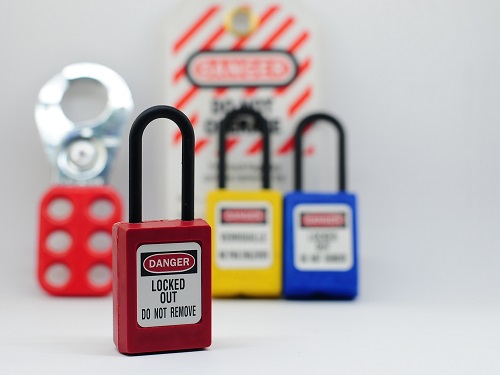
Yes, workers should inspect a tool before every use. A quick pre-use check for cracked or loose handles, frayed cords, damaged guards, and dull or chipped blades keeps unsafe tools out of service, which is what OSHA requires (OSHA 1926.300(a)). Anything found defective, like a mushroomed chisel head or a grinder with a cracked wheel, should be tagged and removed until it is repaired or replaced.