In addition to the physical hazards commonly found in construction and general industry work environments, workers may also be exposed to serious health hazards that are not always visible. One of the most well-known, and dangerous, of these hazards is asbestos. While many workers have heard of asbestos, fewer fully understand why it is such a significant concern or where they may encounter it on the job.
OSHA Regulations for Asbestos Exposure
OSHA Construction Standard 1926.1101 covers all construction work involving asbestos containing materials including demolition, removal, repairs, maintenance, or renovation, and installation of products containing asbestos.
OSHA General Industry Standard 1910.1001(a)(1) applies to all occupational exposures to asbestos in all industries… except construction work, ship repairing, shipbuilding and shipbreaking employments and related employments.
Why Asbestos Is Dangerous
According to OSHA, asbestos is a known human carcinogen. Exposure can cause serious and often fatal illnesses, including lung cancer, mesothelioma, and asbestosis, a chronic and irreversible lung disease.
Delayed Health Effects
One of the most dangerous aspects of asbestos exposure is that workers may not realize they have been exposed. Symptoms of asbestos-related diseases can take decades to develop, meaning workers may feel healthy for years after exposure while damage is occurring in the lungs.
Where Asbestos is Found
Asbestos was widely used in building materials because of its heat resistance and durability.
It may still be present in many older structures, including:
- Pipe and boiler insulation
- Floor tiles and adhesives
- Roofing materials and shingles
- Siding materials
- Fireproofing and soundproofing materials
Do Not Disturb Asbestos
IIf a material is suspected to contain asbestos, do not disturb it. Cutting, drilling, sanding, or breaking asbestos-containing materials can release microscopic fibers into the air, creating a serious inhalation hazard.
Regulated Areas and Warning Signs
Restricted Access Requirements
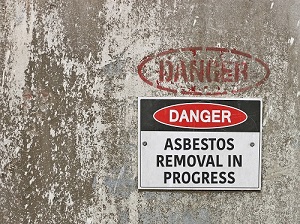
Never enter a restricted asbestos area. These areas are clearly marked to prevent unauthorized access and protect workers from exposure.
OSHA Construction Standard 1926.1101(e)(2) states that regulated areas shall be demarcated [barricaded or marked].
OSHA General Industry Standard 1910.1001(3)(2) states that regulated areas shall be demarcated from the rest of the workplace... [barricaded or marked].
Always read and follow posted warning signs and respect barricades and access controls.
How Asbestos Exposure Occurs
When asbestos-containing materials are disturbed, they can release tiny fibers that remain airborne for long periods. These fibers can easily be inhaled and become trapped in lung tissue, where they cause long-term damage.
Authorized and Trained Workers Only
Only workers who have received specialized asbestos training and who are properly equipped are permitted to install, remove, repair, or otherwise disturb asbestos-containing materials. Unauthorized workers should never attempt to handle or alter suspected asbestos materials.
Personal Protective Equipment and Safety Controls
Proper protective equipment must be worn at all times when working with or near asbestos, based on the specific task and exposure level. This may include respiratory protection, protective clothing, gloves, and other controls designed to prevent inhalation or contamination.
Employers are responsible for ensuring that workers are trained, protected, and informed about asbestos hazards, while workers are responsible for following procedures, respecting restricted areas, and speaking up if they suspect an asbestos hazard is present.
Understanding asbestos hazards, and knowing when to stop work and ask questions, is a critical part of protecting long-term health on the job.

.jpg)
