Arsenic may be found in industrial materials, contaminated soil, treated wood, dust, fumes, ash, or process waste. Exposure can happen when workers breathe contaminated dust or fumes, swallow contaminated particles from dirty hands, or get certain arsenic compounds on the skin or in the eyes. Arsenic does not always have an obvious warning sign like a strong smell or visible color.
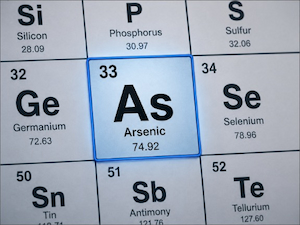
What Is Arsenic?
Arsenic is a naturally occurring element that can be present in soil, minerals, water, industrial materials, and certain treated wood products. In the workplace, the main concern is usually not simply that arsenic exists, but that a task may disturb arsenic-containing material and create dust, residue, fumes, or waste that workers can breathe, swallow, or carry on their clothing and tools.
OSHA identifies inorganic arsenic as a serious health hazard.
OSHA Standards 1910.1018(a) and 1926.1118 This section applies to all occupational exposures to inorganic arsenic except that this section does not apply to employee exposures in agriculture or resulting from pesticide application, the treatment of wood with preservatives or the utilization of arsenically preserved wood.
For treated wood, OSHA generally addresses the hazard through the Hazard Communication Standard, safety data sheets, labels, training, PPE, dust control, hygiene, and company procedures.
Arsenic Hazards at Work
Arsenic hazards can vary by industry, site history, task, and material. A worker in a utility setting may encounter arsenic differently than a worker in a smelting operation, a cleanup project, or an industrial facility. The common thread is that exposure risk increases when arsenic-containing material is disturbed or handled without proper controls.
Possible sources of arsenic exposure may include:
- Contaminated soil at industrial sites, older facilities, substations, waste areas, or cleanup sites
- Dust from cutting, sanding, grinding, drilling, or disturbing arsenic-containing material
- Wood treated with chromated copper arsenate, commonly called CCA-treated wood
- Smelting, mining, metal processing, glass manufacturing, pesticide-related work, and certain chemical processes
- Fly ash, boiler dust, or waste from combustion or industrial operations
- Waste materials, old containers, or residues from previous site activities
CCA-Treated Wood and Utility Work
For electric utility and field workers, arsenic awareness may be especially useful when working around older treated utility poles, contaminated soil, excavation areas, industrial properties, or storm-damaged materials. Not every utility pole or treated wood product contains arsenic, so workers should follow company procedures for identifying, handling, cutting, drilling, removing, or disposing of preserved wood.
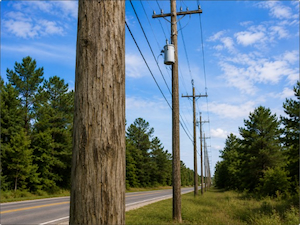
CCA stands for chromated copper arsenate. EPA describes chromated arsenicals, including CCA, as wood preservatives that contain chromium, copper, and/or arsenic and help protect wood from termites, fungi, and other pests. EPA also lists commercial wood poles, posts, pilings, permanent foundation support beams, and other approved products among uses for chromated arsenicals-treated wood.
Workers should not assume they can identify CCA-treated wood by appearance. Older treated poles and wood products may be weathered, damaged, dirty, or missing readable markings. Use company records, site instructions, labels, safety data sheets, exposure assessments, or other approved identification methods when the treatment type matters for the task.
Contaminated Soil, Ash, and Industrial Residue
Arsenic may also be present in soil, dust, ash, or residue, especially where previous industrial activity, combustion, waste handling, or chemical processes occurred. Fly ash and boiler dust can be a concern in some settings because combustion byproducts may contain trace metals depending on the fuel source and process conditions.
This is why site history matters. Ordinary-looking soil or dust may not be harmless if the work area is near an older industrial site, substation, waste area, cleanup site, or storm-damaged location. Workers should report unknown residues, unusual dust conditions, damaged treated materials, or suspected contamination so the material, task, or work area can be evaluated.
Arsenic Exposure
Arsenic exposure can happen in several ways. OSHA identifies inhalation, ingestion, dermal contact, and eye contact as possible workplace exposure routes for arsenic.
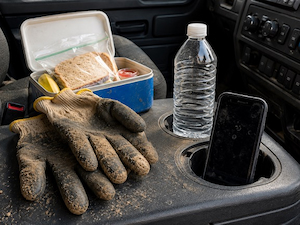
The most common workplace concern is often dust. If contaminated dust gets on gloves, tools, clothing, vehicle interiors, food, drinks, cigarettes, phones, or other personal items, it can be swallowed later without the worker realizing it.
Tasks that may increase arsenic exposure risk include:
- Cutting, drilling, sanding, grinding, or burning treated or contaminated materials
- Dry sweeping or using compressed air on contaminated dust
- Handling ash, debris, soil, or residue without proper controls
- Eating, drinking, smoking, or using chewing tobacco with dirty hands or gloves
- Wearing contaminated clothing into vehicles, break areas, or the home
Dust Control and Personal Hygiene
Dust control and hygiene are central to arsenic awareness. Dust that remains on gloves, sleeves, tools, equipment, phones, or truck interiors can move from the work area into clean spaces. That can create an exposure concern even after the original task is finished.
Workers should not use compressed air or dry sweeping on contaminated dust unless the procedure specifically allows it and proper controls are in place. Safer cleanup methods may include approved wet methods, local exhaust ventilation, HEPA-filtered equipment, or other dust-control methods based on the task and site procedure.
Wet methods can help reduce airborne dust, but they must be used correctly. Contaminated water, slurry, or residue may need to be contained, collected, and disposed of as directed. Wet methods may also create other hazards, such as slippery surfaces or electrical concerns, so workers should follow the site-specific procedure.
Do Not Burn Treated Wood
Treated wood should not be burned, especially when the treatment type is unknown or the wood may contain CCA. Burning CCA-treated wood can create toxic smoke and ash.
The National Pesticide Information Center states that treated wood, including CCA-treated wood, should never be burned because smoke and ash can be toxic. NPIC also notes that CCA-treated wood should not be chipped or used in landscaping, and disposal requirements may vary by state.
For workers, the safe takeaway is simple: do not burn treated wood, do not assume wood scraps are ordinary waste, and follow company procedures for handling, storing, transporting, and disposing of treated wood, contaminated soil, ash, filters, wipes, or other waste.
Health Effects of Arsenic Exposure
Health effects depend on the type of arsenic, the amount of exposure, how exposure occurs, and how long the exposure continues. Some effects may happen after higher short-term exposure, while cancer and other chronic health effects are usually linked to repeated or long-term exposure.
Possible health concerns from arsenic exposure may include:
- Irritation of the skin, eyes, nose, or throat
- Skin changes after long-term exposure, such as darkened patches, thickened skin, lesions, or wart-like growths
- Effects on the lungs, liver, kidneys, and other body systems
- Increased cancer risk, including lung cancer from inhalation exposure to inorganic arsenic, with other cancers linked to long-term exposure depending on the exposure route
NIOSH states that arsenic can harm the eyes, skin, liver, kidneys, lungs, and lymphatic system, and that exposure can cause cancer. NIOSH also explains that the level of exposure depends on the dose, duration, and work being done.
Workers should not try to diagnose an exposure themselves. Symptoms, unusual dust conditions, unknown residues, damaged treated materials, or suspected contamination should be reported so the material, task, or work area can be evaluated.
Preventing Arsenic Exposure
Preventing arsenic exposure starts with knowing when the hazard may be present and using the controls required for the task. Workers should always follow site instructions, labels, safety data sheets, exposure control plans, and any posted regulated area requirements.
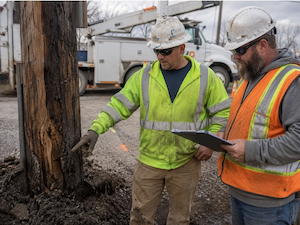
Safe work practices may include:
- Use wet methods, local exhaust ventilation, or other approved dust controls when required.
- Contain contaminated water or residue as directed.
- Wear gloves, eye protection, protective clothing, and respiratory protection when required.
- When power-sawing or machining, wear goggles to protect the eyes from flying particles.
- Avoid frequent or prolonged inhalation of sawdust from treated wood.
- When sawing, sanding, or machining treated wood, wear the assigned dust mask or respirator.
- Perform dusty operations outdoors when possible to avoid indoor accumulations of airborne sawdust.
- Wash hands and face before eating, drinking, smoking, or leaving the work area.
- Keep contaminated clothing, tools, and waste out of clean vehicles, offices, and break areas.
- Follow company instructions for handling, storing, transporting, and disposing of treated wood, contaminated soil, ash, filters, wipes, or other waste.
PPE and Respiratory Protection
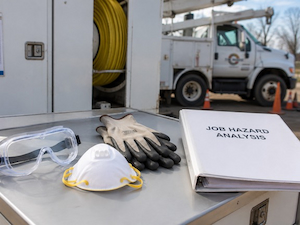
PPE should match the task and the hazard. Depending on the work, this may include gloves, goggles, protective clothing, and respiratory protection. Respirators should only be used when workers are trained, medically cleared, fit tested when required, and using the correct type of respirator or filter for the hazard.
The assigned dust mask or respirator is not a substitute for controlling dust at the source. Good arsenic exposure prevention usually depends on several controls working together: planning, hazard identification, dust control, hygiene, housekeeping, PPE, and proper waste handling.
Hygiene and Housekeeping
Arsenic awareness does not stop when the task ends. Dust and residue can be carried into vehicles, offices, lunch areas, and homes if workers do not control contamination.
Workers should remove contaminated gloves or clothing as directed, keep dirty tools and waste out of clean spaces, and wash hands and face before eating, drinking, smoking, or leaving the work area. These steps reduce the chance that contaminated dust will be swallowed or carried away from the jobsite.
What Workers Should Report
Workers should report conditions that may indicate an arsenic exposure concern, including:
- Unknown dust, ash, residue, or waste
- Damaged treated wood or preserved wood of unknown type
- Cutting, drilling, sanding, grinding, or cleanup tasks that create unusual dust
- Contaminated soil or debris at industrial sites, substations, excavation areas, or cleanup sites
- Symptoms that may be related to exposure
- Concerns about PPE, respiratory protection, ventilation, dust control, or disposal procedures
Reporting a concern does not mean a worker has confirmed arsenic is present. It means the material, task, or work area needs to be evaluated before exposure continues.
The most important arsenic awareness habits are to recognize when arsenic could be present, avoid disturbing unknown materials without proper controls, keep dust out of clean areas, wash hands and face before eating or leaving the work area, and follow company procedures for PPE, dust control, cleanup, handling, transportation, and disposal.
.jpg)

