50 Free Job Site Safety Articles
Job site safety is the practice of spotting and controlling the everyday hazards on a construction or industrial site before they harm anyone. Site safety matters because many incidents do not come from a single regulated hazard but from ordinary site conditions like cluttered walkways, unmarked dangers, unguarded machinery, or the surroundings themselves. Recognizing job site risks early is the foundation of every safety program.
The job site safety articles on this page cover the core hazard-recognition methods including job hazard analysis (JHA) and the hierarchy of controls, along with good housekeeping, safety signs and barricades, slips, trips and falls on walking and working surfaces, machine guarding, conveyors, loading docks, demolition, concrete, and rebar work. These site safety articles also address the outdoor threats crews face, from venomous snakes, spiders, ticks, and stinging insects to poisonous plants, rodents, and severe weather, plus industry-specific settings such as warehouses, laboratories, and grain handling facilities.
Foremen and safety managers can use these articles to recognize risks before a job starts, brief a crew on a specific hazard, or prepare for a weekly safety meeting or toolbox talk. They are written for foremen, safety managers, and any worker responsible for keeping a crew safe across construction, warehousing, and general industry.
Why it matters
Strong workplace and site safety helps prevent injuries before work even begins.
Job Site Safety Articles













Job Site Safety FAQs
What is job site safety?
Job site safety is the ongoing practice of identifying, assessing, and controlling the hazards present on a work site so that no one is injured. It combines hazard recognition, safe work practices, housekeeping, signage, and the right control for each specific risk.
What is a job hazard analysis (JHA)?
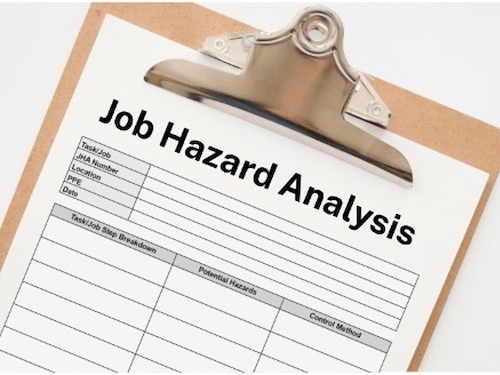
A job hazard analysis (JHA), also called a job safety analysis, breaks a task into steps, identifies the hazards in each step, and defines controls to eliminate or reduce them. It is one of the most effective ways to prevent incidents before work begins.
What is the hierarchy of controls?
The hierarchy of controls ranks hazard controls from most to least effective: elimination, substitution, engineering controls, administrative controls, and personal protective equipment (PPE). Workers should rely on the higher-level controls first and treat PPE as the last line of defense.
What are the most common job site hazards?
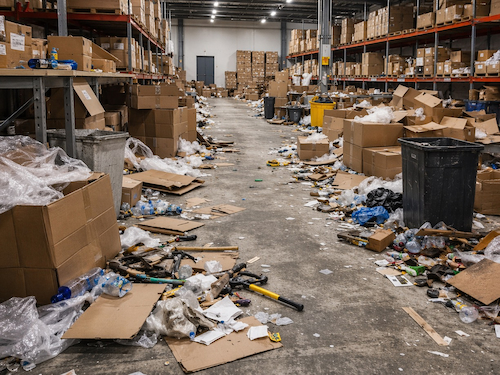
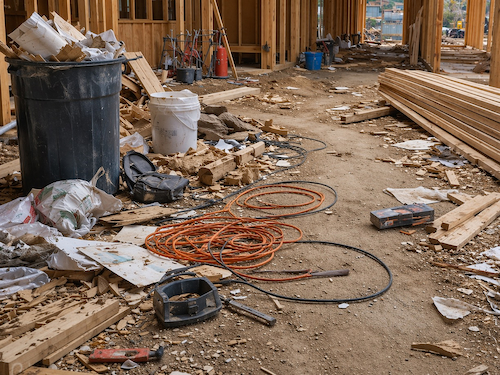
The most common job site hazards are slips, trips, and falls on walking and working surfaces, poor housekeeping and clutter, unguarded machinery, being caught in the line of fire of moving loads or equipment, and struck-by incidents. Many are prevented with basic housekeeping, machine guarding, and hazard awareness.
What do safety sign colors mean?
Safety signs use color to signal the level of hazard: red indicates danger, orange indicates warning, yellow indicates caution, green marks safety and first-aid information, and blue is used for notices. Recognizing these colors lets workers gauge a hazard at a glance, even from a distance.
What outdoor hazards should workers watch for on the job?
Outdoor crews should watch for venomous snakes and spiders, ticks that can carry Lyme disease, stinging insects and fire ants, poisonous plants such as poison ivy, rodents, aggressive animals, and severe weather like lightning and extreme heat. Knowing the local hazards and how to respond is key to staying safe.