Housekeeping in the workplace is more than just keeping things looking clean. It is a critical part of maintaining a safe and productive work environment. Poor housekeeping creates hazards that can lead to injuries, equipment damage, and delays in work.
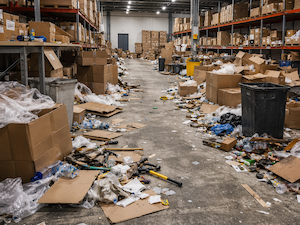
Work environments are constantly changing. Materials are moved, tasks shift, and multiple activities may be happening in the same space. Without consistent housekeeping, these changes quickly lead to clutter, blocked access, and unsafe conditions.
Common Workplace Hazards
One of the most common risks in any workplace is slipping or tripping. Debris, cords, uneven surfaces, and spills can all create hazards that lead to injuries.
Materials that are not stored correctly can shift, fall, or create obstacles. This increases the risk of both struck-by and trip-related incidents.
Aisles, exits, and access to emergency equipment must remain clear at all times. Blocked access can delay response during an emergency and increase the severity of an incident.
Accumulated trash and combustible materials increase the risk of fire. Poor housekeeping can allow these hazards to build up unnoticed.
OSHA Expectations for Housekeeping
OSHA requires workplaces to be kept clean, orderly, and sanitary. This includes maintaining walking-working surfaces, controlling waste, and ensuring that hazards are promptly addressed.
OSHA Standard 1910.22(a)(2) The employer must ensure the floor of each workroom is maintained in a clean and, to the extent feasible, in a dry condition. When wet processes are used, drainage must be maintained and, to the extent feasible, dry standing places, such as false floors, platforms, and mats must be provided.
Employers are responsible for providing a safe work environment, but maintaining housekeeping is a shared responsibility. Workers must follow established practices to keep their areas clean and free of hazards.
Material Storage and Organization
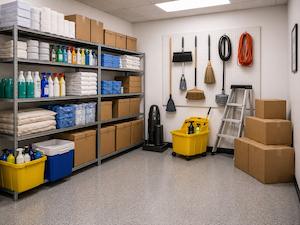
Materials should be stored in designated areas that are stable, secure, and out of walkways. Improper storage can lead to materials shifting, falling, or blocking access.
OSHA Standard 1910.176(c) Storage areas shall be kept free from accumulation of materials that constitute hazards from tripping, fire, explosion, or pest harborage. Vegetation control will be exercised when necessary.
Work areas should remain organized throughout the shift. Tools and equipment should be returned to their proper place when not in use. This reduces clutter and helps prevent accidents.
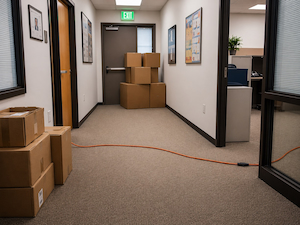
Stairways, aisles, exit routes, and access to emergency equipment must always remain unobstructed. Maintaining clear paths is essential for both daily operations and emergency situations.
Waste Management at Work
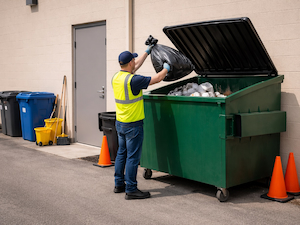
Workplaces generate waste throughout the day. If it is not managed properly, it quickly becomes a hazard. Trash, packaging, and debris should be removed regularly to maintain safe conditions.
Effective cleanup practices help control hazards and keep work areas safe and organized throughout the day. All employees are expected to:
- Dispose of waste in designated containers.
- Prevent trash from accumulating in work areas.
- Clean up spills immediately.
- Keep containers accessible and avoid overfilling.
- Separate materials when required for disposal or recycling.
Cleanup should be built into the workday, not left for later. Allowing hazards to carry over from one shift to the next increases the risk of incidents.
OSHA Standard 1910.22(a)(3) The employer must ensure walking-working surfaces are maintained free of hazards such as sharp or protruding objects, loose boards, corrosion, leaks, spills, snow, and ice.
Workers should clean as they go and take time at the end of each shift to tidy their work area, dispose of their trash, and store tools and equipment properly.
Consistent cleanup keeps the workplace safe and manageable.
Roles and Responsibilities
Clear roles and responsibilities are essential for maintaining consistent housekeeping. When expectations are understood, hazards can be addressed before they lead to incidents.
Worker Responsibilities
Throughout the workday, every worker is responsible for:
- Keeping their immediate work area clean and organized
- Keeping walkways and access areas clear
- Storing tools and equipment properly
- Reporting hazards that need attention
Supervisor Responsibilities
When it comes to housekeeping, supervisors are responsible for:
- Setting clear housekeeping expectations
- Ensuring storage areas and waste containers are available
- Monitoring the workplace for hazards
- Addressing issues before they lead to incidents
OSHA Standard 1910.22(a)(1) The employer must ensure all places of employment, passageways, storerooms, service rooms, and walking-working surfaces are kept in a clean, orderly, and sanitary condition.
Benefits of Good Housekeeping
A well-maintained workplace reduces hazards, improves efficiency, and helps prevent injuries. Workers can move more safely, tasks are completed more efficiently, and overall conditions improve.
Good housekeeping at work also supports:
- Better workflow and productivity
- Reduced downtime from incidents
- Improved employee awareness and accountability
Workplace housekeeping is not a one-time task. It requires consistency and attention throughout the workday. When workers and supervisors take responsibility for maintaining clean and organized work areas, the result is a safer and more efficient workplace.
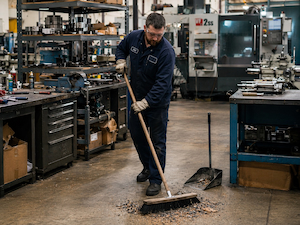
Good housekeeping is most effective when it is part of the work rather than something saved for the end of the day. Clean up spills and debris promptly, keep aisles and exits clear, return tools and materials to designated locations, and address unsafe conditions as they develop.
When everyone takes responsibility for maintaining an orderly work area, housekeeping becomes an important everyday tool for preventing injuries, reducing fire and trip hazards, and keeping work moving safely and efficiently.
.jpg)

.jpg)