Construction is consistently one of the most dangerous industries in the United States, and caught-in or caught-between hazards remain a leading cause of serious injuries and fatalities. These hazards occur when a worker is crushed, pinned, squeezed, or trapped between equipment, materials, or structural components. Recognizing these risks and following safe work practices is essential to preventing life-altering injuries on the job site.
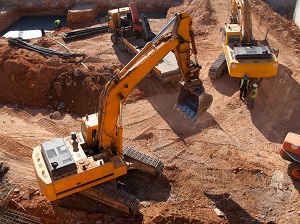
Recognizing Caught-In Hazards
OSHA Standard Section 5(a)(1) Each employer shall furnish to each of his employees employment and a place of employment which are free from recognized hazards that are causing or likely to cause death or serious physical harm to his employees.
Identifying High-Risk Areas on the Job Site
Preventing injuries and fatal incidents starts with recognizing where hazards exist. Workers should actively look for any areas where hands, feet, or the body could be trapped between moving or stationary objects.
Never place yourself in a dangerous area or position, and never assume equipment operators can see you without confirmation.

Working Safely Around Heavy Equipment
Never take shortcuts behind or around heavy equipment. Always approach operating equipment cautiously and make sure the operator can clearly see you before entering the work zone. Avoid standing between moving equipment and fixed objects, where escape routes are limited.
Ensure all back-up alarms, horns, and warning devices are working properly. Stay clear of swing areas for excavators, cranes, and similar equipment at all times.

Machine Guarding
Make sure all guards and protective covers are properly installed and not damaged. Exposed moving parts create a serious caught-in hazard.
Keep gloves, loose clothing, jewelry, and long hair away from gears, belts, rotating shafts, and other moving components.
OSHA Standard 1926.300(b)(2) Belts, gears, shafts, pulleys, sprockets, spindles, drums, fly wheels, chains, or other reciprocating, rotating or moving parts of equipment shall be guarded if such parts are exposed to contact by employees or otherwise create a hazard.

Trenching and Excavation
Excavation walls can collapse suddenly, trapping workers under thousands of pounds of soil or rock. These incidents often result in severe injuries or fatalities.
Never enter an unprotected trench or excavation. Always follow trench safety and cave-in protection requirements, including proper sloping, shoring, shielding, and access methods.


.jpg)
