Heat stress can happen quickly when hot conditions, physical work, humidity, or protective gear make it harder for the body to cool down. Recognizing the warning signs early and taking simple prevention steps can help protect workers from heat exhaustion, heat stroke, and other serious heat-related illnesses.
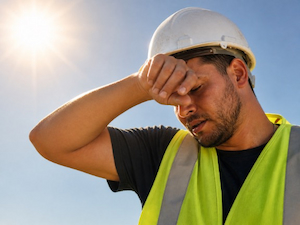
Heat stress is a serious workplace hazard that can affect anyone working in hot conditions. It can happen outdoors in direct sun, indoors near hot equipment, in humid areas, or during physically demanding work. When the body cannot cool itself fast enough, heat can build up and lead to heat-related illness.
Heat stress should never be ignored. Early symptoms can become dangerous quickly, especially when workers continue to push through the heat without rest, water, shade, or cooling. Understanding the warning signs and knowing how to prevent heat illness can help protect workers before a medical emergency occurs.
What Is Heat Stress?
Heat stress happens when the body is exposed to more heat than it can safely handle. The body normally cools itself by sweating and increasing blood flow to the skin. When the air is hot, the humidity is high, the work is physically demanding, or protective clothing traps heat, the body may not be able to cool down effectively.
Heat stress can lead to several heat-related illnesses, including heat rash, heat cramps, heat exhaustion, and heat stroke. Some conditions may be uncomfortable but manageable with early action. Others, especially heat stroke, can be life-threatening and require emergency medical care.
Workers do not have to be outdoors in extreme temperatures to be at risk. Heat stress can also occur indoors in kitchens, warehouses, laundries, manufacturing areas, boiler rooms, foundries, and other locations where heat, humidity, poor air movement, or physical labor are present.
Why Heat Stress Is a Serious Workplace Hazard
Heat stress affects both health and safety. A worker who is overheated may become weak, dizzy, confused, or less alert. This can increase the chance of falls, struck-by incidents, equipment mistakes, driving errors, and other serious workplace injuries.
Heat also places extra strain on the body. The heart works harder, fluid is lost through sweat, and the body may struggle to maintain a safe internal temperature. If early symptoms are not recognized and addressed, heat illness can progress quickly.
Several conditions can increase heat stress risk, including:
- Working in direct sunlight
- High humidity
- Limited air movement
- Heavy physical labor
- Hot surfaces, equipment, or machinery
- Protective clothing or PPE that traps heat
- Long shifts or overtime in hot conditions
- Lack of access to water, rest, shade, or cooling areas
- Working alone or without close supervision
New workers and returning workers are also at increased risk because their bodies may not yet be used to the heat. OSHA notes that workers need time to build tolerance when they have not recently been in warm or hot environments or physically active in those conditions. During the first few days, workers should be encouraged to drink fluids, work shorter shifts, take frequent breaks, and recognize symptoms quickly.
Heat Stress vs. Heat Illness
The terms heat stress and heat illness are closely related, but they are not exactly the same.
Heat stress refers to the heat burden placed on the body. This includes heat from the environment, heat from physical work, and heat trapped by clothing or protective equipment.
Heat illness refers to the health effects that can happen when the body can no longer manage that heat safely.
A worker may experience heat stress before developing a heat illness. That is why prevention matters. Waiting until a worker shows serious symptoms can put that person at risk of severe injury or death.
Common Heat Stress Symptoms
When heat stress turns into heat illness, symptoms can vary from person to person. Some workers may notice mild warning signs first, while others may become seriously ill with little warning.
Common symptoms may include:
- Heavy sweating
- Thirst
- Fatigue
- Weakness
- Dizziness
- Headache
- Muscle cramps
- Nausea or vomiting
- Fast heartbeat
- Hot or flushed skin
- Confusion
- Fainting
Workers should be trained to report symptoms early. Supervisors and coworkers should also watch for changes in behavior, coordination, alertness, or appearance. A worker who seems confused, unsteady, unusually tired, or unable to respond normally may need immediate medical attention.
Heat Exhaustion Symptoms
Heat exhaustion is a serious heat-related illness that can occur when the body loses too much water and salt through sweating. It often develops after working in hot conditions without enough rest, fluids, or cooling.
Symptoms of heat exhaustion may include:
- Heavy sweating
- Cool, pale, or clammy skin
- Weakness
- Dizziness
- Headache
- Nausea or vomiting
- Muscle cramps
- Fast or weak pulse
- Fainting
A worker with heat exhaustion should be moved away from the heat as soon as possible. OSHA guidance says workers suffering from heat exhaustion should be removed from the hot environment, given fluid replacement, encouraged to rest, and cooled when possible with measures such as ice packs.
Heat exhaustion can become worse if the worker continues working or is not cooled down. If symptoms are severe, do not improve, or the worker becomes confused, collapses, or loses consciousness, call emergency medical services.
Heat Stroke Is a Medical Emergency
Heat stroke is the most dangerous heat-related illness. It happens when the body can no longer control its internal temperature. Heat stroke can cause permanent injury or death if emergency action is delayed.
Warning signs of heat stroke may include:
- Confusion
- Slurred speech
- Loss of consciousness
- Seizures
- Very high body temperature
- Hot skin, with or without sweating
- Rapid pulse
- Collapse
Heat stroke requires immediate emergency medical care. Call 911 right away. Move the worker to a cooler area, remove unnecessary outer clothing or PPE if it can be done safely, and begin cooling the person as quickly as possible while waiting for emergency responders.
Do not leave the worker alone. Do not assume the person only needs a break. Confusion, collapse, or loss of consciousness during hot work conditions should be treated as a medical emergency.
Who Is Most at Risk for Heat Stress?
Any worker can develop heat stress, but some workers face a higher risk. Risk depends on the work being performed, the environment, the worker’s physical condition, and how well heat hazards are controlled.
Workers may be at higher risk if they are:
- New to the job
- Returning after time away
- Working during a heat wave
- Performing heavy physical labor
- Wearing heavy PPE or protective clothing
- Working near radiant heat or hot equipment
- Working in high humidity
- Working alone
- Not drinking enough fluids
- Not getting enough rest breaks
- Not used to hot conditions
Certain health conditions, medications, alcohol use, poor sleep, and dehydration may also affect how well the body handles heat. Workers do not need to share private medical information, but they should understand that individual factors can increase heat risk.
Supervisors should pay close attention to workers who are new, temporarily assigned, returning from vacation, returning after illness, or starting work during hot weather. These workers may need closer monitoring and a gradual increase in workload.
Acclimatization and Heat Stress
Acclimatization means the body gradually adjusts to working in the heat. A worker who is acclimatized can usually handle hot conditions better than someone who is not used to them.
Lack of acclimatization is one of the most important heat stress risk factors. A worker may be physically fit and experienced but still be at risk if they have not recently worked in hot conditions.
Acclimatization is especially important for:
- New employees
- Temporary workers
- Workers returning after vacation
- Workers returning after illness or injury
- Workers starting a new physically demanding task
- Workers exposed to the first hot days of the season
Workers should not be expected to perform a full workload in hot conditions immediately if they have not had time to adjust. A safer approach is to gradually increase exposure, provide more frequent breaks, encourage hydration, and monitor workers closely during the adjustment period.
Indoor Heat Stress Hazards
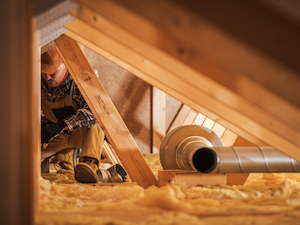
Heat stress is often associated with outdoor work, but indoor heat can be just as dangerous. Indoor heat hazards may come from equipment, process heat, poor ventilation, radiant heat, humidity, or lack of air movement.
Examples of indoor heat stress hazards may include:
- Hot machinery
- Ovens, furnaces, or boilers
- Steam lines
- Poor ventilation
- High humidity
- Crowded work areas
- Limited access to cooling areas
- Physically demanding tasks
- PPE or uniforms that trap heat
Indoor workers may be less prepared for heat stress because the hazard is not always obvious. A building may not feel extremely hot at first, but heat can build up over a shift. Poor airflow, high humidity, or repeated physical work can increase the risk.
Employers should evaluate indoor heat conditions the same way they evaluate outdoor heat conditions. If workers are sweating heavily, becoming fatigued, reporting symptoms, or working near heat sources, heat stress controls may be needed.
How to Prevent Heat Stress at Work
Heat stress prevention requires planning. It is not enough to tell workers to drink water and be careful. Employers and supervisors should identify heat hazards, reduce exposure where possible, and make sure workers know what to do when symptoms appear.
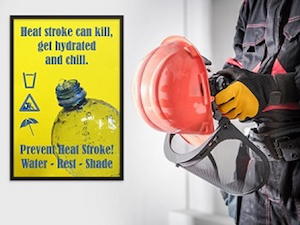
OSHA encourages employers to plan ahead, understand specific heat hazards, protect new workers, use engineering controls and work practices, and remember water, rest, and shade.
Hydration
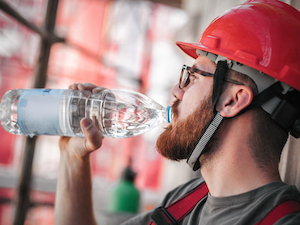
Workers need access to drinking water when working in hot conditions. Water should be easy to reach, clean, and available throughout the shift. Workers should be encouraged to drink small amounts regularly instead of waiting until they feel very thirsty.
Thirst is not always a reliable warning sign. By the time a worker feels very thirsty, dehydration may already be affecting the body.
For long periods of sweating, workers may also need electrolytes. However, energy drinks, excessive caffeine, and alcohol are not good substitutes for water and can increase dehydration risk.
Rest Breaks
Rest breaks give the body time to cool down. Breaks should be based on the level of heat, humidity, workload, clothing, and worker condition. More intense work and hotter conditions usually require more frequent breaks.
Rest breaks should happen in a cooler area whenever possible. This may include shade, an air-conditioned space, a cooled trailer, a break room, or another area away from direct heat.
Workers should not be discouraged from taking needed breaks. A short cooling break can prevent a serious heat illness.
Shade or Cooling Areas
Outdoor workers need access to shade or another cooling area. Indoor workers may need fans, ventilation, cooling stations, air-conditioned rooms, or other controls depending on the worksite.
A cooling area should be close enough that workers can use it when needed. If workers have to walk too far, wait too long, or feel discouraged from using the area, it may not be effective.
Cooling areas are especially important during high heat, heavy work, long shifts, and emergency response situations.
Adjusted Work Schedules
Work schedules can make a major difference in heat stress prevention. When possible, physically demanding work should be scheduled for cooler parts of the day. Heavy tasks may be rotated, delayed, or broken into shorter periods during extreme heat.
Supervisors may also need to adjust:
- Start times
- Break schedules
- Work pace
- Crew size
- Task rotation
- Overtime expectations
- PPE requirements when safe alternatives are available
The goal is to reduce heat exposure while still completing the work safely.
Engineering Controls
Engineering controls can help reduce heat exposure by changing the work environment. NIOSH recommends engineering controls when possible, including ventilation, air conditioning, fans, shielding, insulation, and other methods that reduce heat exposure at the source or improve cooling.
Examples of engineering controls may include:
- Improving ventilation
- Using fans where appropriate
- Adding local exhaust near heat sources
- Insulating hot surfaces
- Using reflective barriers
- Providing air-conditioned rest areas
- Reducing humidity
- Separating workers from radiant heat
Engineering controls are especially important for indoor heat hazards where heat may come from machinery, processes, or building conditions.
Training for Workers and Supervisors
Training is an important part of heat stress prevention. Workers should know what heat stress is, how to recognize symptoms, how to report concerns, and what to do if a coworker becomes ill.
Training should cover:
- Heat stress symptoms
- Heat exhaustion
- Heat stroke
- The importance of water and rest
- Acclimatization
- Worksite-specific heat hazards
- How to report symptoms
- Emergency response procedures
- Supervisor responsibilities
Training should be practical and direct. Workers need to understand that heat illness can happen quickly and that reporting symptoms early is not a weakness. It is a safety action.
Monitoring Conditions and Workers
Heat stress conditions can change throughout the day. Temperature, humidity, sun exposure, air movement, workload, and PPE can all affect risk.
Supervisors should monitor both the environment and the workers. This includes watching for symptoms, checking in with workers, and adjusting work when conditions become more hazardous.
OSHA notes that employers should monitor worksite conditions throughout the day and create a heat illness prevention plan to identify and control heat risks.
Monitoring is especially important during:
- Heat waves
- The first hot days of the season
- High humidity
- Work in direct sun
- Heavy physical labor
- New or returning workers
- Long shifts
- Tasks requiring heavy PPE
Heat Stress and PPE
Personal protective equipment can increase heat stress because it may trap heat, limit airflow, or make sweating less effective. This is especially true for chemical protective clothing, impermeable suits, flame-resistant clothing, respirators, gloves, hard hats, and other equipment worn for long periods.
PPE should never be removed when it is needed to protect against serious hazards. However, employers should consider the heat burden created by PPE and adjust work practices accordingly. This may include:
- More frequent breaks
- Shorter work periods
- Cooling vests or cooling towels when appropriate
- Shaded or cooled rest areas
- Task rotation
- Additional monitoring
- Scheduling hot tasks during cooler times
PPE selection should consider both the hazard being controlled and the potential for heat stress. When PPE is required, the heat prevention plan should account for it.

Heat Stress Prevention Checklist
A heat stress prevention checklist can help supervisors and workers prepare before hot work begins.
Before work starts, ask:
- Is hot weather expected today?
- Will the work be physically demanding?
- Will workers be in direct sun?
- Will humidity increase the risk?
- Are workers wearing PPE that traps heat?
- Are new or returning workers on the crew?
- Is drinking water available and easy to access?
- Are rest breaks planned?
- Is shade or a cooling area available?
- Does everyone know the symptoms of heat illness?
- Does the crew know what to do in an emergency?
During the shift, ask:
- Are workers drinking water regularly?
- Are workers taking needed breaks?
- Are any workers showing signs of heat stress?
- Has the weather changed?
- Has the workload increased?
- Are workers reporting symptoms early?
- Do supervisors need to slow the pace or rotate tasks?
After the shift, review:
- Did any worker report symptoms?
- Were breaks and water adequate?
- Were cooling areas used?
- Did any task create more heat stress than expected?
- Does the plan need to be adjusted before the next shift?
Heat stress prevention should be active throughout the day, not only discussed before work begins.
If Workers Get Heat Stress
Workers should never ignore heat stress symptoms. Waiting too long can allow symptoms to worsen.
If any worker feels dizzy, weak, nauseated, confused, cramped, or unusually tired while working in the heat, guidance includes:
- Stop work and report symptoms right away.
- Move to shade or a cooler area.
- Drink water if you are alert and able to drink.
- Rest and allow your body to cool down.
- Tell a supervisor or coworker what they are feeling.
- Do not return to hot work until it is safe.
If symptoms are severe or do not improve, medical help may be needed. If there is confusion, fainting, collapse, seizure, or loss of consciousness, call emergency medical services immediately.
Workers should also look out for one another. A coworker may not recognize their own symptoms, especially if they are confused or trying to push through the task.
Employer Responsibilities for Heat Stress
Employers are responsible for providing a workplace that is free from recognized serious hazards, and heat can be a recognized workplace hazard. OSHA states that employers must comply with the General Duty Clause, related standards, and applicable state standards to protect employees from heat illness.
A strong heat stress prevention program should include:
- A written heat illness prevention plan
- A process for identifying heat hazards
- Water, rest, shade, or cooling areas
- Acclimatization procedures
- Worker and supervisor training
- Emergency response procedures
- Monitoring of conditions and symptoms
- Extra protection for new and returning workers
- Procedures for indoor and outdoor heat hazards
- State-specific requirements where applicable
Some states have their own heat illness prevention rules. Employers should check federal OSHA guidance and any applicable state plan requirements for their location.
Heat Stress Safety Tips for Workers
Workers play an important role in heat stress prevention. Even when controls are in place, workers still need to pay attention to how they feel and how their coworkers are doing.
Use these heat stress safety tips:
- Drink water regularly.
- Do not wait until you are very thirsty.
- Take rest breaks as scheduled.
- Use shade or cooling areas when provided.
- Report symptoms early.
- Watch coworkers for signs of heat illness.
- Do not ignore dizziness, nausea, cramps, or confusion.
- Give new and returning workers time to adjust.
- Follow the heat illness prevention plan.
- Know who to contact in an emergency.
Heat stress can become serious quickly. Reporting symptoms early protects the worker, the crew, and the job.
Heat Stress Can Happen Anywhere
Heat stress is not limited to outdoor construction, landscaping, road work, or agriculture. It can also affect workers in warehouses, kitchens, factories, laundries, maintenance areas, delivery operations, utility work, emergency response, and other hot environments.
Any workplace with heat, humidity, physical labor, limited cooling, or heat-trapping PPE should take heat stress seriously.
The best approach is prevention. Plan ahead, provide water and rest, use shade or cooling areas, train workers and supervisors, monitor conditions, and respond quickly when symptoms appear.
Heat stress is preventable when hazards are recognized early and workers are given the time, support, and resources needed to stay safe.
.jpg)

.jpg)