Flooding can impact workplaces with little warning, even in areas far from rivers or coastlines. Effective flood preparation focuses on identifying risks early, reducing exposure, and taking action before conditions become dangerous.
Understanding Flood Preparation
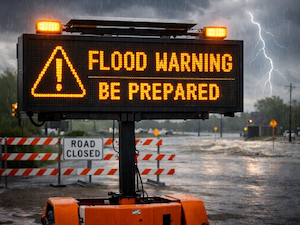
Flood preparation is the process of identifying flood-related risks, planning ahead, and putting controls in place before water creates unsafe conditions. Floodwater does not need to be deep to cause serious damage, disrupt operations, or create life-threatening hazards.
Heavy rainfall, rapid snowmelt, blocked drainage systems, and overwhelmed stormwater infrastructure are common causes of flooding. These conditions can develop quickly and may affect facilities that have never experienced flooding before.
Why Flood Preparation Matters
Flood preparation helps reduce:
- Injuries and emergencies involving workers
- Damage to equipment, materials, and facilities
- Operational downtime and access disruptions
- Last-minute decision-making under unsafe conditions
Flood Risk Assessment in the Workplace
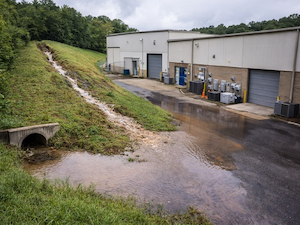
Flood risk assessment should be part of normal workplace safety planning. This does not require technical modeling or specialized tools, but it does require awareness of known facility vulnerabilities and surrounding conditions.
Common Flood Risk Factors
Risk factors that should be identified include:
- Locations that have flooded in the past, even if the flooding was minor
- Areas near drainage ditches, creeks, retention ponds, or low-lying land
- Buildings with basements or below-grade work or storage areas
- Outdoor work areas with limited drainage
- Electrical systems, data rooms, mechanical equipment, or chemical storage located at low elevations
- Access routes that could become impassable due to rising water
- Nearby terrain or properties that could direct runoff toward the facility
Identifying these risks early supports better planning and faster response when conditions change.
Planning Before Flooding Becomes a Concern
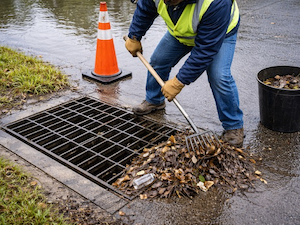
Flood preparation requires planning to occur in advance. Clear expectations and defined actions reduce confusion and improve response when flooding becomes a risk.
Advance Flood Preparation Actions
Before flooding becomes a concern, organizations should:
- Identify reliable sources for weather forecasts, flood alerts, and emergency information
- Establish clear criteria for delaying work, modifying operations, or shutting down activities due to flooding risk
- Identify who has authority to make flood-related decisions and operational changes
- Ensure emergency procedures and contact information are current, accurate, and accessible
- Identify evacuation routes and keep them clear at all times
- Confirm emergency lighting and alarm systems function during power disruptions
- Establish plans that address flash flood scenarios that develop with little or no warning
- Verify emergency communication methods are available and functional
These steps help ensure decisions can be made quickly without relying on improvised responses.
Taking Action When Flooding Is Likely
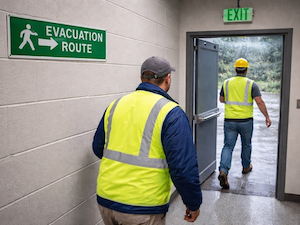
When flooding is possible or likely, preparation shifts from planning to action. Protective measures should be implemented while access remains safe and conditions allow controls to be put in place.
Practical Flood Preparation Measures
Common flood preparation actions include:
- Clearing debris from floor drains, storm drains, and gutters so water flows away as designed
- Securing loose outdoor materials that could be moved by flowing water
- Elevating critical equipment, tools, and materials where possible
- Protecting electrical panels and outlets that may be exposed to rising water
- Ensuring backup power systems are protected from water
- Moving important records and data to secure, elevated, or off-site locations
- Using protective barriers, covers, or temporary shielding where water entry is likely
- Relocating vehicles from low-lying parking areas
Early action reduces damage and helps maintain safer conditions as water levels rise.
Safety Priorities During Flood Conditions
If flooding is imminent or already occurring, conditions can change rapidly. The focus must shift to protecting people and avoiding dangerous situations as water spreads and access routes become limited.
Key Safety Principles
- Conditions may change faster than plans can be updated, requiring quick and conservative decisions
- Efforts to protect property should never override personal safety
During flood conditions:
- Move to higher ground
- Avoid walking or driving through floodwater
- Stay clear of moving water, even if it appears shallow
- Suspend vehicle use when road conditions are uncertain or deteriorating
- Avoid contact with electrical equipment or energized systems exposed to water
- Follow established evacuation procedures
Limiting actions to life-safety priorities helps reduce the risk of injury or worse during rapidly changing flood events.
.jpg)

