Working with asphalt is a common part of construction, roadwork, and roofing projects. While it is essential for building and maintaining infrastructure, asphalt work presents a combination of hazards that can lead to serious injuries if not properly managed.
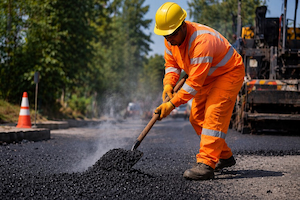
From extreme heat and harmful fumes to heavy equipment and traffic exposure, understanding asphalt safety is critical for protecting workers on the job.
What Makes Asphalt Work Hazardous?
Asphalt is a petroleum-based material that must be heated to high temperatures before it can be applied. This alone introduces serious risks, but asphalt work rarely involves just one hazard at a time.
Most asphalt jobs include a combination of factors including:
- Hot materials
- Moving machinery
- Outdoor work environments
- Exposure to fumes and vapors
When these components overlap, the risk of injury increases quickly if proper controls are not in place.
Common Hazards in Asphalt Work
Workers involved in asphalt operations face a variety of hazards that can lead to both immediate injuries and long-term health effects.
Burn Hazards from Hot Asphalt
Hot asphalt can cause serious burn injuries in seconds. These injuries often occur when workers come into direct contact with the material, are exposed to splashes during transfer or application, or touch tools and surfaces that remain hot.
Because asphalt adheres to the skin, it can continue to burn after contact, making injuries more severe than typical thermal burns.
Exposure to Asphalt Fumes
When asphalt is heated, it releases fumes and vapors that can affect the body in several ways. Short-term exposure may lead to symptoms such as irritation of the eyes, nose, and throat, along with headaches, dizziness, nausea, fatigue, cough, and skin irritation.
Over time, prolonged exposure may affect breathing and could increase the risk of more serious health effects.
Heavy Equipment and Traffic Hazards
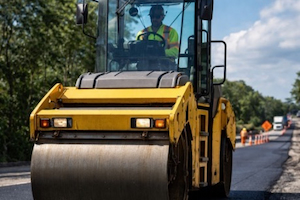
Asphalt work zones are active environments with constant movement. Equipment such as pavers, rollers, and dump trucks create struck-by hazards due to large blind spots and limited visibility.
In addition, many asphalt jobs take place near active roadways, where passing vehicles add another layer of risk. Workers on foot must remain aware of both equipment and traffic at all times.
Slips, Trips, and Surface Hazards
Fresh asphalt, uneven ground, and sticky surfaces can increase the likelihood of slips, trips, and falls. These hazards are often overlooked but can lead to serious injuries, especially in fast-paced work zones.
Noise and Heat Exposure
High noise levels from trucks and heavy equipment can lead to long-term hearing damage if proper protection is not used.
At the same time, asphalt work is typically performed outdoors in hot conditions. Hot materials and surrounding surfaces can radiate and reflect heat, increasing overall exposure and raising the risk of heat stress.
Safe Work Practices for Asphalt Jobs
Reducing risk in asphalt work requires consistent attention to safe work practices. These practices should be part of daily routines on every jobsite.
Preventing Burns
Workers should stay aware of where hot asphalt is being moved and applied at all times. Maintaining distance from transfer points and avoiding positions where splashes are likely can significantly reduce burn risk.
If a burn occurs, immediate action is critical. Cool the affected area with clean water and then seek medical attention as soon as possible. Do not attempt to remove asphalt from the skin. These steps help prevent further injury and reduce complications.
Reducing Fume Exposure
Managing exposure to asphalt fumes requires both positioning and proper controls. Workers should avoid standing directly in fumes and position themselves upwind whenever possible.
Additional steps to reduce exposure to harmful asphalt fumes include:
- Taking breaks away from the work area
- Using ventilation or fume-control equipment
- Following respiratory protection requirements
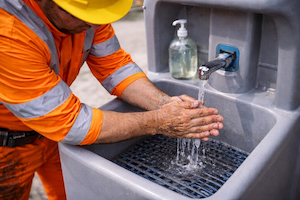
Good hygiene also plays an important role. Washing hands before eating, changing clothes before going home, and showering after work help reduce ongoing exposure.
Working Safely Around Equipment
Heavy equipment hazards can be reduced by maintaining awareness and following basic safety practices.
Workers should:
- Stay out of blind spots
- Keep a safe distance from moving machinery
- Make eye contact with operators before approaching
- Avoid walking behind equipment that may reverse
These habits help prevent struck-by incidents, which are one of the leading causes of injury in construction work zones.
Staying Safe in Work Zones
In roadway work zones, workers must stay within designated areas and remain alert to changing conditions. Traffic and equipment movement can shift quickly, and predictable movement is key to staying safe.
Maintaining visibility and staying aware of surroundings can make a significant difference in preventing incidents.
PPE for Asphalt Work
Proper personal protective equipment (PPE) is essential for protecting workers from multiple hazards present in asphalt work.
Working with asphalt may require PPE like eye and face protection, long-sleeved shirts, long pants without cuffs, heat-resistant gloves, and non-slip work shoes or boots.
Depending on the task, workers may also need respiratory protection and hearing protection. PPE should always be worn correctly and consistently to provide effective protection.
Preventing Heat Stress
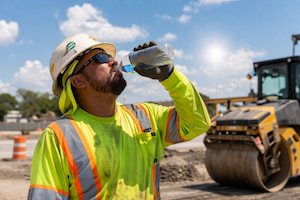
Heat stress is one of the most serious risks in asphalt work due to the combination of high temperatures, physical activity, and radiant heat from materials and equipment.
Early warning signs include dizziness, lightheadedness, headaches, and muscle cramps. More serious symptoms may include confusion, lack of sweating, nausea, and fainting.
To reduce the risk of heat stress:
- Drink water frequently throughout the day
- Take breaks in shaded or cooler areas
- Wear light-colored, breathable clothing
- Monitor yourself and coworkers
- Allow time to adjust to hot conditions
Recognizing symptoms early and taking action quickly can prevent serious health outcomes.
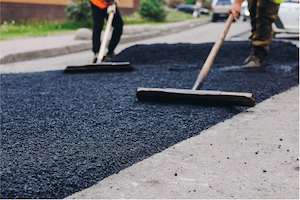
Asphalt Safety
Asphalt work combines several high-risk factors, including heat, heavy equipment, traffic exposure, and chemical hazards. These risks can escalate quickly if workers are not paying attention or following safe work practices.
A safe jobsite depends on awareness, proper training, and consistent use of protective measures. By understanding the hazards and applying practical safety strategies, workers can reduce injury risks and perform their work safely and effectively.
.jpeg)

.jpeg)