Slips, trips, and falls are among the most common causes of workplace injuries across many industries. These incidents can lead to sprains, fractures, head injuries, lost work time, and even fatalities.
Many slip, trip, and fall incidents can be prevented through proper housekeeping, hazard awareness, maintenance, and safe work practices. Keeping walking-working surfaces clean, organized, and free of hazards is an essential part of maintaining a safe workplace.
OSHA Standard 1910.22(a)(1) states that the employer must ensure: All places of employment, passageways, storerooms, service rooms, and walking-working surfaces are kept in a clean, orderly, and sanitary condition.
What are Walking-Working Surfaces?
OSHA defines a walking/working surface as any horizontal or vertical surface on or through which an employee walks, works, or gains access to a work area or workplace location.
Some examples of walking/working surfaces include:

Because workers rely on these surfaces every day, even small hazards can create serious risks.
Understanding Slip, Trip, and Fall Hazards
Slip, trip, and fall hazards can develop quickly and may not always be obvious.
Understanding how these incidents happen can help workers recognize hazards before injuries occur.
Slip Hazards
Slips occur when there is too little traction or friction between footwear and the walking-working surface. Common causes of slips include:
- Wet floors
- Oil or grease spills
- Ice or snow
- Smooth flooring surfaces
- Loose floor mats
- Recently cleaned floors
- Slippery footwear
A slip can quickly lead to loss of balance and serious injury.
Trip Hazards
Trips occur when a worker’s foot strikes or catches on an object while the body continues moving forward. Common trip hazards include:
- Extension cords
- Hoses or cables
- Cluttered walkways
- Open drawers or cabinet doors
- Uneven flooring
- Loose carpeting or mats
- Debris or stored materials
- Holes or damaged flooring
Trips often result in falls, especially when workers are carrying materials or moving quickly.
Fall Hazards
Falls can happen after a slip or trip, but they can also occur from elevated surfaces such as ladders, stairs, scaffolds, platforms, or loading docks.
Falls from heights can result in severe injuries or fatalities.
Common Walking-Working Surface Hazards
Walking-working surfaces should be inspected regularly for hazards that could contribute to slips, trips, or falls. Common hazards include:
- Loose boards
- Uneven floors
- Holes or floor openings
- Leaks and spills
- Protruding nails or sharp objects
- Poor lighting
- Extension cords across walkways
- Trash or stored materials in walking paths
- Loose rugs or mats
- Snow and ice accumulation
- Damaged stairs or handrails
- Unmarked elevation changes
OSHA Standard 1910.22(a)(3) Walking-working surfaces are maintained free of hazards such as sharp or protruding objects, loose boards, corrosion, leaks, spills, snow, and ice.
Importance of Good Housekeeping
Good housekeeping is one of the most effective ways to reduce slip, trip, and fall hazards.
A clean and organized workplace helps prevent clutter from accumulating in walking areas and improves visibility of hazards.
Good housekeeping practices include:
- Cleaning spills immediately
- Keeping walkways clear
- Properly storing tools and materials
- Removing unnecessary clutter
- Maintaining dry walking surfaces
- Closing drawers and cabinets after use
Poor housekeeping often allows hazards to build up over time.
Controlling Slip, Trip, and Fall Hazards
When hazards are identified, they should be corrected as quickly as possible.
If repairs cannot be completed immediately, workers should be protected from exposure to the hazard until corrections are made.
Temporary controls may include:
- Barricades
- Warning signs
- Floor stands
- Warning tape
- Restricted access areas
Hazards should never be ignored simply because repairs are delayed.
Spill Prevention and Cleanup
Spills should be cleaned up immediately whenever possible.
Wet floor signs or warning markers should be used when floors remain slippery during cleaning or maintenance activities.
Maintain Clear Walkways
Walkways, exits, and doorways should remain free of obstructions.
Do not allow cords, tools, equipment, or stored materials to block walking paths.
Improve Lighting
Poor lighting can make hazards difficult to see.
Ensure stairways, hallways, work areas, storage rooms, and passageways are properly illuminated.
Safe Work Practices for Employees
Workers play an important role in preventing slip, trip, and fall incidents. Safe work practices include:
- Walking carefully and staying alert
- Avoiding running in the workplace
- Wearing appropriate slip-resistant footwear
- Using handrails on stairs
- Keeping vision clear while carrying materials
- Reporting hazards immediately
- Using ladders instead of chairs or unstable objects for reaching elevated areas
Workers should also inspect ladders and scaffolds before use and follow safe access procedures.
Stairway and Walking Surface Safety
Stairs and elevated walking surfaces should receive special attention because falls on stairs can result in serious injuries. Safety measures may include:
- Maintaining secure handrails
- Using anti-slip stair treads or tape
- Keeping stairs free of debris
- Ensuring adequate lighting
- Clearly marking elevation changes
Workers should take one step at a time and avoid carrying loads that block visibility.
Safety Awareness and Training
Slip, trip, and fall prevention should be part of regular workplace safety discussions and training.
Annual safety meetings on slips, trips, and falls can help reinforce safe work practices and increase hazard awareness among employees.
Workers should understand:
- How slip and trip hazards develop
- How to recognize unsafe conditions
- How to report hazards
- What actions to take to reduce risks
Preventing Injuries Starts with Awareness
Walking-working surfaces are used constantly throughout the workday, which can make hazards easy to overlook.
Staying alert, maintaining good housekeeping, correcting hazards quickly, and following safe work practices can significantly reduce the risk of slip, trip, and fall injuries in the workplace.
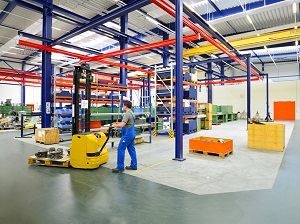
MARCOM's Walking and Working Surfaces Video Program identifies the hazards that are associated with different surfaces, and provides the practical information and specific procedures employees need to help prevent slips, trips and falls on the job.
The safety video program comes with a quiz, a scheduling and attendance form, a training certificate, and an employee training log.
.jpg)

.jpeg)