Stormwater management is an important part of environmental protection and regulatory compliance for many workplaces. Rainwater that flows across outdoor work areas can pick up pollutants and carry them directly into nearby waterways if it is not properly controlled.
Stormwater controls are not just about environmental regulations. Many of the practices used to prevent stormwater pollution also improve housekeeping, spill prevention, and overall site safety.
Understanding how stormwater moves across a site and what it can come into contact with helps facilities reduce environmental risks and stay in compliance with applicable permits and regulations.
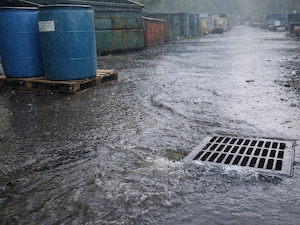
What Is Stormwater?
Stormwater is rainwater or snowmelt that flows across the ground and work surfaces before entering storm drains, ditches, or nearby waterways. Unlike sanitary sewer systems, storm drains usually discharge directly into creeks, rivers, lakes, or coastal waters without treatment.
Because stormwater typically flows untreated into the environment, pollutants that enter storm drains can quickly contaminate natural water sources. For this reason, many facilities must control what stormwater comes into contact with on their property.
Although stormwater programs are primarily regulated through environmental agencies rather than OSHA, many stormwater controls overlap with everyday workplace practices such as good housekeeping, spill response, and proper material storage.
Common Sources of Stormwater Pollution
Stormwater can pick up pollutants when rainwater flows across outdoor areas where materials, equipment, or waste are present. When this happens, contaminated runoff may leave the site and enter nearby waterways.
Examples of common stormwater pollution sources include:
- Outdoor material storage areas
- Equipment and vehicle maintenance areas
- Leaking drums, tanks, or containers
- Scrap metal, waste piles, and dumpsters
- Exposed soil or disturbed ground
- Spills that were not fully cleaned up
Identifying these potential pollution sources is a key part of managing stormwater effectively.
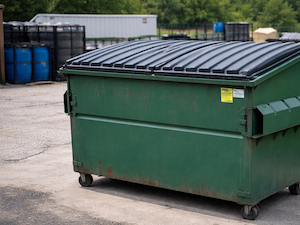
Best Management Practices for Stormwater
Best Management Practices, commonly referred to as BMPs, are methods used to prevent pollutants from entering stormwater runoff. BMPs may include physical controls, workplace procedures, or routine practices that reduce the exposure of materials and waste to rain and runoff.
Effective stormwater BMPs should match the activities occurring at a site. A one-size-fits-all approach rarely works. Instead, facilities should focus controls on areas where stormwater is most likely to contact pollutants.
Common stormwater BMPs include:
- Keeping drums, totes, and containers closed when not in use
- Covering outdoor material storage areas
- Using secondary containment for liquids
- Cleaning up oil and chemical spills immediately
- Keeping dumpsters closed and in good condition
- Sweeping work areas regularly instead of washing them down with hoses
- Stabilizing exposed soil to prevent erosion
BMPs are most effective when they are:
- Implemented before rain events occur
- Maintained and inspected regularly
- Adjusted when site conditions or operations change
Stormwater Pollution Prevention Plans
Many facilities that operate under stormwater permits must document their stormwater controls in a written plan called a Stormwater Pollution Prevention Plan (SWPPP).
Even when a written plan is not required, the same evaluation process can help identify pollution risks and determine which controls should be implemented.
Some states, including California, place additional emphasis on documenting BMP effectiveness and correcting problems quickly when they are identified.

Evaluating a Site for Stormwater Risks
Developing effective stormwater controls begins with understanding how water moves across the property.
Facilities should evaluate where stormwater enters the site, how it flows through work areas, and where it leaves the property.
Key things to look for when evaluating a site include:
- Where stormwater enters, flows through, and exits the property
- Storm drain inlets, ditches, and discharge points
- Outdoor activities and material storage areas
- Signs of leaks, staining, or past spills
- Runoff moving through work areas during rainfall
- Areas where water pools near materials or equipment
- Locations where soil or sediment is washing away
- Areas where debris, trash, or sediment collects
Observing a site during rainfall can reveal stormwater issues that are not obvious during dry conditions.
Stormwater Sampling and Monitoring
Many stormwater permits require facilities to collect samples of stormwater discharges to monitor potential pollution.
Sampling is commonly required at designated discharge points where stormwater leaves the site. Depending on the permit, sampling may occur on a routine schedule, after certain industrial activities, or when visual observations indicate possible pollution.
Some permits also require sampling during qualifying storm events. A qualifying event typically refers to rainfall that:
- Produces a measurable discharge from the site
- Occurs after a minimum dry period, often 48 to 72 hours
- Meets rainfall criteria defined by the permit
Many permits focus on collecting samples early in the discharge because pollutant levels are often highest at that time.
In addition to laboratory samples, facilities may also be required to conduct visual inspections during storm events. These observations may include checking for:
- Oil sheen or foam
- Cloudy or discolored water
- Floating debris or solids
- Unusual odors
California has some of the most detailed industrial stormwater sampling requirements, although similar concepts apply in many other states.
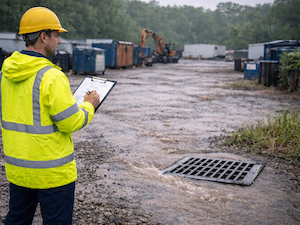
Safe Work Practices for Stormwater Sampling
Stormwater sampling should always be planned carefully and performed using safe work practices.
Personnel assigned to collect samples should be trained on site procedures and permit requirements before performing sampling activities.
Before a storm event:
- Identify approved sampling locations
- Gather sample bottles, labels, and documentation forms
- Review hazards at each sampling point
- Ensure required personal protective equipment is available
During stormwater sampling:
- Walk carefully and watch for slip hazards, moving water, traffic, and uneven surfaces
- Collect samples directly from flowing discharge when possible
- Avoid touching the inside of bottles or caps
After collecting stormwater samples:
- Label and secure samples as required
- Complete documentation accurately
- Deliver samples to the laboratory within required timeframes
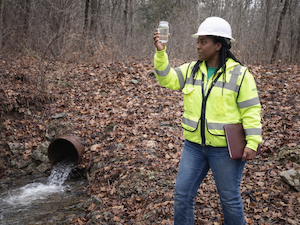
Stormwater Compliance and Environmental Responsibility
Facilities must ensure their stormwater programs comply with applicable federal, state, and local environmental regulations. These requirements may include permits and standards administered by the U.S. Environmental Protection Agency (EPA) or authorized state and local agencies.By implementing effective stormwater management practices, facilities can reduce pollution risks, protect nearby waterways, and support environmental compliance.

.jpg)
