The flu is a contagious respiratory illness caused by influenza viruses that infect the nose, throat, and lungs. Every year, millions of people become sick with the flu, resulting in missed work, reduced productivity, doctor visits, hospitalizations, and in some cases, serious complications.

One reason the flu spreads so easily is that people can be contagious before they realize they are sick. Someone infected with the flu may be able to spread the virus approximately one day before symptoms begin and for several days after becoming ill.
When is Flu Season?
Flu season typically begins in the fall and can continue into the spring. In the United States, flu activity often starts increasing around October, with peak activity usually occurring during December, January, and February. However, flu viruses can continue circulating well into May.
Because flu season lasts for several months, prevention efforts should not stop after the holidays. Consistent healthy habits throughout the season can help reduce the spread of illness.
Why Flu Prevention is Important
The flu is often mistaken for a common cold, but influenza can be much more severe. Symptoms may include fever, cough, sore throat, runny or stuffy nose, muscle aches, fatigue, chills, and headaches.
Even healthy adults can become seriously ill from the flu. In addition to affecting individual health, widespread illness can disrupt workplaces, schools, and families through increased absenteeism and lost productivity.
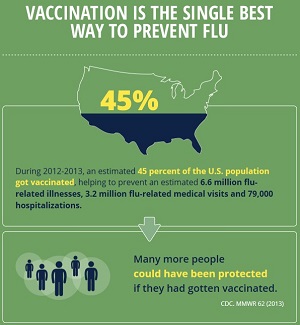
How to Prevent Seasonal Flu
According to the CDC, prevention remains one of the most effective ways to reduce the impact of seasonal influenza. Taking simple precautions can lower the chances of becoming infected and help protect those around you.
Get Vaccinated Each Year
The CDC recommends that everyone six months of age and older receive an annual flu vaccine, with rare exceptions.
Because flu viruses change over time, a new vaccine is developed each year to provide protection against the strains expected to circulate during the upcoming flu season. Annual vaccination remains one of the most effective tools available for reducing the risk of flu-related illness.
Encouraging family members, friends, and co-workers to get vaccinated may also help reduce the spread of influenza within the community.
Practice Good Hygiene
Good hygiene habits can help prevent many illnesses, including the flu.
Wash your hands frequently with soap and water, especially after coughing, sneezing, or being in public places. If soap and water are not available, use an alcohol-based hand sanitizer.
Avoid touching your eyes, nose, and mouth with unwashed hands, since these are common entry points for viruses and other germs.
Cover coughs and sneezes with a tissue or the inside of your elbow and dispose of used tissues promptly.
Protect Yourself and Others
Staying healthy during flu season is not only about protecting yourself. It also helps protect co-workers, family members, customers, and others you interact with every day.
Avoid Spreading Illness
Avoid close contact with people who are sick whenever possible. Likewise, if you develop flu symptoms, consider limiting close contact with others and follow medical advice regarding returning to work, school, or public activities.
Regularly cleaning frequently touched surfaces such as keyboards, phones, desks, door handles, and shared equipment can also help reduce the spread of germs.
Support a Healthy Lifestyle
A strong immune system is supported by healthy habits throughout the year. Getting adequate sleep, staying physically active, eating nutritious foods, managing stress, and staying hydrated can all contribute to overall health and wellness.
While these habits cannot guarantee you will avoid the flu, they are important components of maintaining good health during flu season.
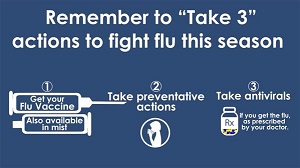
Season Flu Prevention as a Safety Topic
Is seasonal flu prevention a good workplace safety meeting topic? Absolutely.
The more employees and managers understand how the flu spreads and the steps they can take to reduce their risk, the healthier and more productive everyone can be throughout the flu season.
A brief annual discussion about flu prevention can help reinforce healthy habits, reduce unnecessary illness, and remind employees that protecting their health is an important part of staying safe both on and off the job.
.jpg)

.jpg)