Understanding press brake hazards and following safe operating practices is critical for preventing crushing injuries, amputations, and fatalities.
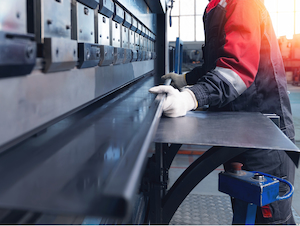
Press brakes are powerful machines used every day in metal fabrication shops, manufacturing plants, and maintenance operations. They allow workers to bend sheet metal with speed and precision. However, that same power can cause severe injuries when press brakes are not operated correctly or properly guarded.
Understanding Press Brake Hazards
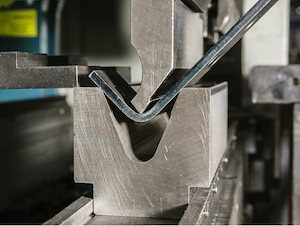
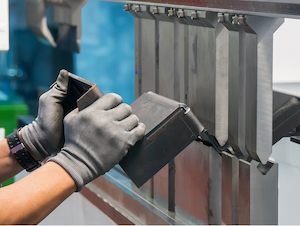
A press brake uses a moving ram to force metal into a die, creating a bend. During operation, the machine can exert thousands of pounds of force. The most serious hazard occurs at the point of operation, where hands or fingers can become caught between the ram and the die.
Common press brake hazards include:
- point-of-operation injuries
- unexpected movement during setup or maintenance
- pinch points between moving and stationary components
- flying metal caused by damaged tooling or improper clamping
- electrical hazards
- accidental startup
- ergonomic strain from repetitive tasks or awkward postures
Because many press brake injuries happen during routine work, operators must remain alert and never underestimate the risks involved.
Press Brake Machine Guarding and Safeguards
Machine guarding is one of the most important elements of press brake safety. The point of operation must be protected so that body parts cannot enter the danger zone during the operating cycle.
Common press brake safeguarding methods include:
- fixed guards that block access to hazardous areas
- two-hand controls that require both hands to activate the press
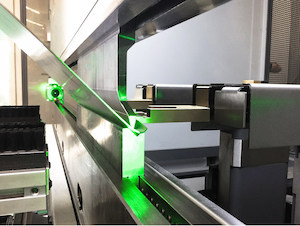
- presence-sensing devices such as light curtains or laser systems that stop the machine when an obstruction is detected
- interlocked barriers that prevent operation when guards are open
- pullback or restraint devices that keep hands away from the hazard area
Operators must never disable, bypass, or reach around guards to speed up production. Guards and safety devices are designed to prevent life-changing injuries and must always remain in place. Only trained and authorized employees should install or adjust guarding systems, and any damaged or malfunctioning guard must be reported and repaired before the machine is used again.
Safe Operating Procedures for Press Brakes
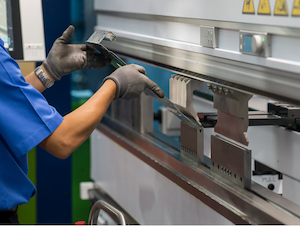
Safe press brake operation starts before the machine is turned on. Operators should inspect the press brake and forming tools for damage, wear, or misalignment before each shift. In machine areas housekeeping is important and the work area around the machine should be clean, dry, and free of clutter or scrap metal.
Controls must be clearly labeled and easy to reach, and emergency stop buttons should be functional and tested regularly. Foot pedals should be guarded and covered when not in use to prevent accidental activation.
During operation, hands, tools, and materials must stay clear of the die area while the machine is cycling. Small parts or scrap should never be removed by hand when the machine is energized. Proper tools must be used instead. Operators should always verify the machine mode [setup, manual, or automatic] before use.
Handling sheet metal also presents risks. Large or heavy pieces should be moved using mechanical aids or team lifting to avoid strain or loss of control. Sharp edges should be kept away from the body, and appropriate gloves should be used when handling metal.
Training, PPE, and Lockout/Tagout
Anyone who operates a press brake must receive proper training before using the machine. Operators need to understand how the press brake functions, how to use the controls safely, and how guarding and safety systems work. No one should operate a press brake independently until they have demonstrated safe operation and the ability to respond correctly to alarms or problems.
Personal protective equipment plays an important role in press brake safety. Depending on the task, PPE may include safety glasses or face shields, cut-resistant gloves for handling sheet metal, steel-toed footwear, and hearing protection when noise levels exceed safe limits. PPE should fit properly and be in good condition before work begins.
Lockout/Tagout procedures are essential for maintenance, cleaning, troubleshooting, and die changes. Only authorized employees should perform lockout/tagout, and operators should never rely solely on the control panel to stop machine movement. All energy sources must be fully isolated before working on the equipment.
Ergonomics, Focus, and Avoiding Complacency
Press brake work often involves repetitive motions and awkward postures. Over time, fatigue and strain can increase the risk of injury. Adjusting work height, using stands, taking short stretch breaks, and using carts or tables for heavy material can help reduce physical stress.
Just as important as ergonomics is mental focus. Distractions and complacency are major contributors to machine-related injuries. Operators should avoid using phones, engaging in side conversations, or looking away while the press brake is cycling. Even experienced workers can be injured if they become too comfortable and skip safety steps.
Press brakes vary widely in design, controls, and safety features. The guidance provided here covers general safety principles and does not replace manufacturer instructions or company-specific procedures. Operators should always follow the manufacturer’s operating manual and workplace safety rules to ensure safe operation and maintenance.
By combining proper guarding, safe work practices, training, and constant awareness, press brake operations can be performed safely and efficiently, without unnecessary risk to workers.
.jpeg)

.jpeg)