Housekeeping at the work site is a normal part of the job and it is just as important for every vehicle used during the work day. This includes fleet vehicles, short- or long-term car rentals, and personal or leased vehicles if they are used for work-related activities.

OSHA may consider any motor vehicle as a work environment when a worker is using the vehicle for job-related activities including driving between work locations, transporting materials, running errands, visiting clients and making deliveries.
Why Vehicle Housekeeping Matters
Keeping your vehicle clean, organized and maintained is beneficial and
- keeps the driver and passengers safe
- saves time when items are easy to find
- helps ensure space is available for passengers, tools, equipment, and materials
- reduces distractions while driving
- projects a professional image for the employee and the company
OSHA Standard 1904.5(b)(1) OSHA defines the work environment as "the establishment and other locations where one or more employees are working or are present as a condition of their employment. The work environment includes not only physical locations, but also the equipment or materials used by the employee during the course of his or her work."
If a vehicle used for work becomes cluttered with trash, loose tools, debris, or equipment, it can create hazards for the worker and affect the safety of everyone on the road.

Preventing Distractions and Interior Hazards
Loose materials may roll into the floorboard and become lodged under the brake or accelerator pedals, causing the driver to lose control of the vehicle.
Clutter can also become a serious distraction while driving. Liquids that spill, items falling from seats, or tools shifting during travel can quickly take the driver’s attention away from the roadway.
Store all items away from the main seating area or make sure they are properly secured.
- Remove loose items from under vehicle seats, especially bottles or tools that can roll.
- Keep dashboards clear of folders, tools, beverage containers, and paperwork.
- Clean mud, grease, snow, or water from shoes before operating the vehicle.
- Clean up spills and remove trash promptly.
- Avoid storing loose objects on seats where they can become projectiles during sudden stops or collisions.
If you become distracted by a spill or a dropped item while driving, pull over in a safe location before attempting to clean it up or retrieve it.

Securing Materials and Equipment
Vehicles used for work often transport ladders, tools, equipment, and construction materials. If these items are not properly secured, they can shift, fall, or fly off the vehicle and create dangerous roadway hazards.
Keep all items in truck beds, trailers, roof racks, or cargo areas tied down and secured before driving.
- Inspect straps, chains, ropes, and tie-downs regularly for wear or damage.
- Secure ladders according to the manufacturer’s recommendations.
- Close and latch toolboxes, compartments, and tailgates before travel.
- Ensure lids are secured on containers to prevent debris from blowing out onto the roadway.
Never place long materials such as pipes, poles, conduit, or rods through windows or openings into the passenger compartment. In a sudden stop or collision, these materials can shift forward and seriously injure vehicle occupants.
Materials extending beyond the rear of the vehicle should be properly marked and flagged according to local and state requirements to alert other drivers.
Vehicle Inspection and Maintenance
Routine vehicle inspections help identify hazards before they lead to breakdowns, crashes, or unsafe driving conditions.
Inspect vehicles frequently by checking:
- headlights, brake lights, and turn signals
- tire condition and tire pressure
- windshield wipers and washer fluid levels
- mirrors for dirt, cracks, or damage
- windows and windshields for chips, cracks, dirt, or visibility issues
- fluid leaks underneath the vehicle
- unusual noises, vibrations, or warning lights
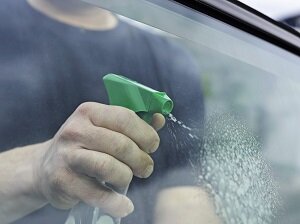
Clean windows and mirrors often to maintain good visibility. Dirt, frost, condensation, or glare can limit the driver’s ability to see hazards, pedestrians, or other vehicles.
Consider keeping glass cleaner and paper towels or cleaning wipes safely stored in the vehicle for quick cleaning when needed. Many drivers develop the habit of cleaning the windshield whenever refueling the vehicle.

Organizing the Vehicle
A well-organized vehicle improves efficiency and reduces the chance of tools or materials becoming damaged or misplaced.
Store materials in an orderly manner to keep the vehicle clean and organized.
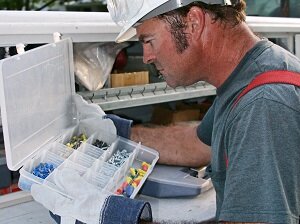
- Separate tools, equipment, and supplies into bins, shelves, racks, or compartments.
- Label storage containers when possible.
- Keep emergency equipment easy to access.
- Secure all loose items before driving.
- Avoid stacking materials so high that visibility becomes obstructed.
Heavy items should be stored low and secured to help prevent shifting during turns or sudden stops.
Emergency and Safety Equipment
Vehicles used for work should contain basic emergency and safety supplies appropriate for the work being performed.
Depending on the job and travel conditions, this may include:
- a first aid kit
- reflective warning triangles or flares
- a flashlight
- jumper cables
- a fire extinguisher
- extra drinking water
- emergency contact information
Workers should also know how to report vehicle issues promptly and understand company procedures for breakdowns, accidents, or unsafe vehicle conditions.
Good housekeeping inside and around work vehicles helps reduce distractions, prevent injuries, protect equipment, and create a safer driving environment for everyone on the road.
.jpeg)


.jpg)
.jpg)