Home and Holiday Safety Topics
Home and holiday safety, also called off-the-job safety, covers the everyday hazards workers and their families face away from work: at home, on the road, outdoors, and during seasonal activities. It matters to employers because most injuries to workers happen off the clock. An injury at home or on a weekend trip still keeps a worker out, raising absenteeism and healthcare costs, so the safety habits that protect a crew on the job protect the whole family after hours.
The home and holiday safety articles on this page cover the hazards families face year-round. They include preventing slips, trips, and falls at home, using ladders and step stools safely, preventing carbon monoxide poisoning, and storing flammables safely. Seasonal guidance covers hot weather and hot car deaths, winter storms and winter driving, hurricane season, and household emergency preparedness. Holiday articles cover Halloween, Thanksgiving, festive decorations, and travel, plus outdoor risks like poison ivy while hiking or gardening and staying safe swimming and boating.
Employers and safety managers can use these articles to share a timely reminder before a holiday weekend, prepare an off-the-job safety meeting, or pass practical tips to workers and their families. They are written in plain language for employers, safety managers, and the households they want to keep safe all year.
Why it matters
Off-the-job injuries can affect attendance, productivity, and overall well-being.
Popular Topics
Carbon Monoxide, Winter Driving, Hot Car Safety, Home Fire Prevention, Holiday Travel, Emergency Preparedness
Frequently Asked Questions
Why should employers care about off-the-job safety?
Employers should care because most injuries to workers happen away from the job, not at work. An off-the-job injury still keeps an experienced worker out for days or weeks, which raises absenteeism, lost productivity, and healthcare costs, and it affects morale across the team. Encouraging safe habits at home and during the holidays protects both the worker and the business.
How can you prevent carbon monoxide poisoning at home?
Prevent carbon monoxide poisoning by installing CO alarms on every level of your home and near sleeping areas, and test them regularly. Carbon monoxide is a colorless, odorless gas produced by burning fuel, so never run a car, generator, grill, or other fuel-burning equipment inside a home, garage, or basement. Keep generators at least 20 feet from the house, and have furnaces, water heaters, and chimneys inspected each year.
How do you stay safe driving in winter conditions?
Slow down, leave extra following distance, and avoid sudden braking or steering on snow and ice. Before winter, check your tires, battery, wipers, and fluids, and keep the gas tank at least half full. Pack an emergency kit with a blanket, flashlight, water, snacks, a phone charger, jumper cables, and a scraper, and if you get stranded, stay with your vehicle until help arrives.
How can you prevent hot car deaths?
Never leave a child or pet alone in a parked vehicle, even briefly with the windows cracked. On a warm day the inside of a car can heat up about 20 degrees in 10 minutes and quickly reach deadly levels, and a child's body warms far faster than an adult's. Put your phone or bag in the back seat so you check it before walking away, and keep vehicles locked so children cannot climb in.
What should every household include in an emergency plan?
Every household should have a written plan and a stocked emergency kit. The plan covers how family members will reach each other and where they will meet if separated, along with evacuation routes for events like fires, floods, or hurricanes. The kit should hold at least three days of water and non-perishable food, a flashlight, batteries, a first aid kit, medications, copies of important documents, and a battery or hand-crank radio.
Why is Thanksgiving the peak day for home cooking fires?
Cooking is the leading cause of home fires, and Thanksgiving is the busiest cooking day of the year, so more stovetops and ovens are in use at once, often while hosts are distracted by guests. Stay in the kitchen while frying, grilling, or broiling, keep anything that can burn away from the stovetop, and keep a lid nearby to smother a small grease fire. If you deep-fry a turkey, do it outdoors, away from the house, with a fully thawed bird.
Related safety Categories
Safety awareness doesn't stop when employees leave work for the day. Promote good safety habits on topics that relate to families, travel, weather and fun.

How to Stay Safe for Maximum Fun on Halloween Night
Safety doesn’t have to take the fun out of Halloween! By being cautious and mindful of safety this Halloween, you can make sure it’s fun for everyone.
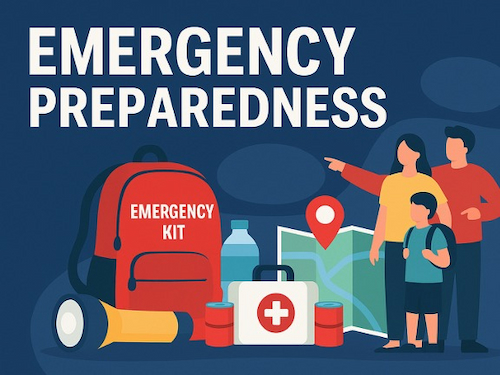
Emergency Preparedness: Steps Every Household Should Take
Emergencies can happen anytime. Learn how to make a plan, build a kit, and keep your family safe with these emergency preparedness steps.

What to Know to Stay Safe During Dangerous Winter Storms
During extremely cold weather, staying warm and safe can be a challenge as winter storms bring frigid temps, power failures, and icy roads.

How to Keep Your Family Safe During Hurricane Season
Great tips on how to prepare for hurricane season, understanding hurricane warnings, and what to do when a hurricane is imminent.

When the Temps Soar Take Action to Prevent Hot Car Deaths
A review of the leading causes of hot car deaths, primarily affecting babies and young children, and what everyone can do to prevent these tragic outcomes.

Summer Heat Outdoor Safety Tips for Swimming and Boating
There are hazards with most summer activities, especially when the sun is intense and the temperatures rise, but most recreational mishaps are preventable.

How Everyone Can Stay Safe and Cool During Hot Weather
When it’s hot outside it’s important that everyone take measures to stay cool, remain hydrated, keep informed, and take care of those that need extra help.