Thanksgiving is a time for gathering with family and friends, preparing holiday meals, and enjoying traditions together. However, busy kitchens, crowded roads, and holiday activities can introduce safety hazards that are easy to overlook during the celebrations. Cooking fires, foodborne illnesses, burns, and traffic accidents are among the risks that can turn an enjoyable holiday into an emergency.
Taking a few simple precautions while cooking, entertaining, and traveling can help keep everyone safe throughout the Thanksgiving holiday.
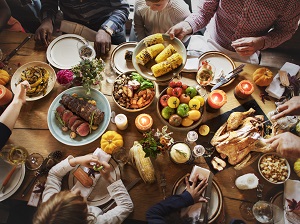
The most common safety concerns during the Thanksgiving holiday include:
- Fire Hazards: Unattended cooking, overheated cooking oil, candles, and outdoor turkey fryers can cause serious fires and burns.
- Food and Kitchen Hazards: Improper food handling, undercooked poultry, cross-contamination, sharp kitchen utensils, and hot cooking surfaces can lead to foodborne illnesses and injuries.
- Travel Hazards: Heavy traffic, distracted or impaired driving, fatigue, and unfavorable weather conditions can increase the risk of motor vehicle accidents.
Kitchen Safety
Preparing a Thanksgiving meal often involves multiple dishes cooking at once, a busy kitchen, and frequent distractions. Keeping cooking areas organized, supervising food preparation, and limiting children's access to hot surfaces and sharp utensils can help prevent burns, cuts, and other injuries.
- Keep children away from the stove.
- Do not leave the house while the turkey is cooking.
- Ensure the kitchen floor is kept clear and doesn't have any trip hazards.
- Keep matches, lighters, candles and knives out of the reach of children.
According to the National Fire Protection Association (NFPA), Thanksgiving is the leading day of the year for home cooking fires. Unattended cooking is a major contributing factor in these incidents, especially when multiple dishes are being prepared at once. Outdoor turkey fryers can also create serious fire hazards because hot cooking oil can spill, overheat, or ignite. When using a turkey fryer, keep it outdoors, away from buildings and combustible materials, and never place a frozen or partially frozen turkey into hot oil.
Kitchen safety is even more important than usual during busy holiday times, like Thanksgiving, when more people might be working in the kitchen to prepare a large meal. But for casual cooks and experienced chefs alike, the kitchen presents more hazards than imagined.
Holiday Fire Prevention Tips
Thanksgiving is the leading day of the year for home cooking fires, making fire prevention especially important during holiday meal preparation. Staying attentive while cooking, keeping flammable materials away from heat sources, and using cooking equipment correctly can significantly reduce the risk of a kitchen fire.
- Keep a properly rated fire extinguisher accessible and know how to use it. For a small stovetop grease fire, carefully slide a metal lid over the pan and turn off the burner if it is safe to do so. Never use water on a grease fire.
- Do not leave food cooking or the stove unsupervised.
- Make sure smoke alarms are working.
- Do not leave candles burning unattended and do not burn candles near flammable items like curtains or potpourri.
- Follow all instructions carefully when using a deep fryer and monitor closely!
Preparing large holiday meals can increase the risk of foodborne illness when food is handled improperly, cooked to unsafe temperatures, or left unrefrigerated for too long. Careful food preparation and storage are especially important when serving multiple guests and preparing several dishes at once.
Cooking and Food Safety
Proper food handling is essential when preparing large holiday meals, especially when working with raw poultry and preparing dishes ahead of time. Washing hands, preventing cross-contamination, cooking foods to safe temperatures, and promptly refrigerating leftovers can help prevent foodborne illnesses.
- Always wash your hands after handling raw or under-cooked poultry.
- Use separate cutting boards for raw meat and produce to prevent cross-contamination.
- The USDA recommends roasting a turkey in an oven set to at least 325°F. Use a food thermometer to verify that the turkey reaches a minimum internal temperature of 165°F in the thickest part of the breast, the innermost part of the thigh, and the innermost part of the wing.
- Store leftovers within 2 hours or toss them.
Pet Safety
The Veterinary Medical Association warns that turkey and chicken bones should never be given to pets because they can splinter and pets may choke.
Dogs should be kept away from any dish that has onions, leeks, garlic, raisins, grapes or chocolate, as those foods can be hazardous to your dog's health.
Holiday Travel Safety
With Thanksgiving being one of the most travel-heavy times of the year, it is important to be prepared before hitting the road and to drive defensively, especially during bad weather.
Drivers who are texting take their eyes off the road for an average of 5 seconds. Driving at 55 mph, that is about the length of a football field.
- Buckle up, every trip.
- Make sure your vehicle is well maintained.
- Plan your route ahead of time.
- Carry an emergency kit in the car.
- Be aware of weather conditions.
- Take caution in parking lots while out shopping.
- No texting while driving.
According to the National Highway Traffic Safety Administration (NHTSA), impaired driving is a serious concern during the Thanksgiving holiday. From 2020 through 2024, 910 people were killed in alcohol-impaired driving crashes during Thanksgiving holiday periods. Drivers should plan ahead, avoid distractions, wear seat belts, and never drive under the influence of alcohol or drugs. DO NOT DRINK AND DRIVE.
Thanksgiving is a time to enjoy family, friends, and holiday traditions, but safety should remain a priority throughout the celebration. Prevent cooking fires by staying attentive in the kitchen, follow proper food handling practices, keep hazardous foods away from pets, and take precautions when traveling.
Whether preparing a holiday meal or driving to visit loved ones, a little planning and awareness can help prevent injuries, illnesses, and emergencies. Taking these simple steps helps ensure everyone can enjoy a safe and memorable Thanksgiving.


