Head injuries remain one of the most serious hazards in many workplaces. A falling tool, moving equipment, low overhead obstruction, or an unexpected slip or fall can result in injuries ranging from cuts and concussions to traumatic brain injuries. Because of these risks, proper head protection is an essential part of many jobs.

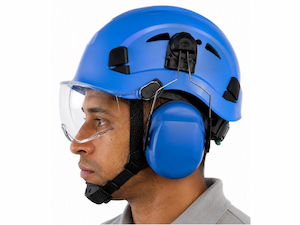
While traditional hard hats have protected workers for decades, many employers are now choosing safety helmets, which are designed to provide additional features and enhanced protection in many work environments. Safety helmets often include a chin strap to help keep the helmet securely in place during movement or an incident and may be compatible with integrated eye, face, hearing, or communication accessories.
Whether you work in construction, utilities, manufacturing, warehousing, transportation, telecommunications, or another industry where head hazards exist, understanding how to properly wear, inspect, and care for a safety helmet can help ensure it performs as intended when you need it most.
What Is a Safety Helmet?
A safety helmet is a type of industrial head protection designed to help reduce the risk of head injuries from workplace hazards such as:
- Falling objects
- Struck-by hazards
- Low overhead obstructions
- Slips, trips, and falls
- Bumps against stationary objects
Unlike many traditional hard hats, safety helmets typically include a retention chin strap that helps keep the helmet securely positioned during movement or after an impact. Many models also incorporate advanced materials and energy-absorbing or energy-managing designs intended to improve protection while remaining lightweight enough for comfortable, extended wear.
It is important to remember that no helmet can prevent every injury. Safety helmets are considered personal protective equipment (PPE) and should always be used together with other appropriate safety measures and safe work practices. Safety helmets are designed to reduce the severity of certain impacts when properly selected, worn, and maintained.
Safety Helmets vs. Traditional Hard Hats
Although people sometimes use the terms interchangeably, safety helmets and traditional hard hats are not exactly the same.
Traditional hard hats have long been the standard for protecting workers from impacts to the top of the head. Modern safety helmets build upon that protection by incorporating additional design features, such as:
- A chin strap to help keep the helmet in place
- Improved side impact protection on many models
- Compatibility with integrated accessories
- Lightweight materials designed for all-day comfort
OSHA has published information encouraging employers to evaluate whether safety helmets may provide better protection than traditional hard hats for certain workplace hazards, particularly where workers face struck-by hazards or fall risks.
Types of Safety Helmets
Many modern safety helmets comply with ANSI/ISEA Z89.1, the primary U.S. standard for industrial head protection. OSHA references this consensus standard in its head protection requirements.
Type I Helmets
Type I helmets are designed to reduce impact forces from blows to the top of the head. They are intended to help protect workers from hazards such as falling tools, materials, or other objects that may strike the top of the helmet. Type I helmets have long been commonly used in many industrial and construction environments.
Type II Helmets
Type II helmets are designed to reduce impact forces from blows to both the top and the sides of the head. Because they provide additional side impact protection, many modern safety helmets are classified as Type II and are increasingly being used in workplaces where workers may encounter a variety of head injury hazards, including slips, trips, falls, and struck-by incidents.
Some helmets are also available with electrical classifications such as Class G or Class E for workers exposed to electrical hazards. Workers should always use head protection appropriate for the hazards identified in their workplace.
When Safety Helmets Are Used
Safety helmets may be used anywhere workers face potential head injury hazards.
Common industries where safety helmets might be used include:
- Construction
- Utilities
- Telecommunications
- Oil and gas
- Warehousing
- Manufacturing
- Transportation
- Mining
- Public works
- Tree care and arboriculture
Workers performing tasks at elevated locations often benefit from safety helmets equipped with properly adjusted chin straps because they are more likely to remain securely in position during movement or a fall.
Common Job Hazards That Cause Head Injuries
Many workplace head injuries occur unexpectedly, even in environments where workers perform the same tasks every day. Recognizing common hazards is an important step in preventing serious injuries.
Examples of workplace hazards that can cause a head injury include:
- A wrench dropped from scaffolding
- Materials falling from shelving
- A swinging load suspended from lifting equipment
- Contact with moving machinery
- Walking into low beams or overhead piping
- Slipping and striking the ground
- Falling from a ladder or platform
- Being struck by moving equipment
Even relatively minor incidents can cause serious injuries if the head is unprotected.
Accessories Designed for Safety Helmets
Many safety helmets are designed to work with compatible accessories that improve worker protection and efficiency.
Examples of accessories that might be worn with a safety helmet include:
- Face shields
- Safety eyewear
- Hearing protection
- Communication systems
- High-visibility accessories
- Task-specific attachments
Only accessories approved by the helmet manufacturer, or specifically identified as compatible with that helmet model, should be installed. Installing incompatible accessories may affect how the helmet fits, performs, or complies with its original certification. Mixing incompatible components can affect fit, performance, or protective capabilities.
Why Proper Fit Matters
A safety helmet only performs as intended when it fits correctly.
Before beginning work:
- Adjust the suspension so the helmet fits securely without excessive pressure.
- Position the helmet level on the head.
- Fasten and properly tighten the chin strap.
- Verify that accessories are securely attached.
- Confirm that the helmet does not shift excessively when you move your head.
A helmet worn too loosely, tilted improperly, or with an unfastened chin strap may move out of position during an incident, reducing its effectiveness.

Inspect Your Safety Helmet Before Every Use
Like all personal protective equipment, safety helmets should be inspected before each use.
When inspecting your safety helmet, look for:
- Cracks
- Dents
- Deep scratches
- Shell damage
- Worn suspension components
- Damaged headbands
- Worn or damaged chin straps
- Missing clips or buckles
- Loose adjustment mechanisms
- Damaged accessories
- Missing or unreadable certification markings
If anything appears damaged or questionable, remove the helmet from service and follow the manufacturer’s recommendations.
Replace Helmets After Significant Impacts
One common misconception is that a helmet is safe to continue using if no visible damage is present.
That is not always true. Some impacts can damage internal components without leaving visible cracks or dents on the shell. Because of this, helmets that have experienced a significant impact or were involved in an incident should be removed from service and evaluated according to the manufacturer’s guidance.
Never assume that a helmet is still fully protective simply because it “looks fine.”
Proper Cleaning and Storage
Proper care extends the service life of a safety helmet and helps ensure it performs as intended.
Good safety helmet care includes:
- Clean with mild soap and water.
- Allow the helmet to dry completely.
- Store it in a cool, dry location.
- Avoid prolonged exposure to direct sunlight.
- Protect it from excessive heat.
- Keep it away from harsh chemicals.
- Avoid storing it inside hot vehicles for extended periods.
Ultraviolet light and excessive heat can gradually degrade some helmet materials over time. Following the manufacturer’s storage recommendations helps protect the helmet from unnecessary wear and environmental damage.

Never Modify a Safety Helmet
Workers sometimes drill holes, apply paint, add stickers, or make other modifications to their helmets.
Unless specifically permitted by the manufacturer, these modifications should not be made.
Changes to the shell or other helmet components may affect the helmet’s ability to perform as designed. Follow the manufacturer’s recommendations regarding:
- Replacement parts
- Service life
- Cleaning
- Maintenance
- Approved accessories
Frequently Asked Questions
Safety helmets are an important part of protecting workers from head injuries, but many people still have questions about how they should be selected, worn, inspected, and maintained. Here are answers to some of the most common questions.
Are safety helmets the same as hard hats?
No. While both provide industrial head protection, safety helmets often include additional features such as chin straps, improved retention, and compatibility with integrated accessories.
How often should a safety helmet be inspected?
Inspect your helmet before every use and after any incident that could have damaged it.
Can I continue using a helmet after it has been dropped?
It depends on the circumstances. If the helmet experienced a significant impact or shows signs of damage, remove it from service and follow the manufacturer’s recommendations.
Can I put stickers on my safety helmet?
Only if the helmet manufacturer permits it. Some paints, adhesives, solvents, or unauthorized modifications may affect helmet performance.
Why is the chin strap on a safety helmet important?
A properly adjusted chin strap helps keep the helmet securely positioned during movement and may help prevent it from coming off during a slip, trip, fall, or other incident.

Final Thoughts on Safety Helmets
A safety helmet is one of the most important pieces of personal protective equipment many workers wear each day. Selecting the appropriate safety helmet for the job, ensuring it fits properly, inspecting it before use, and following the manufacturer’s recommendations for care and replacement all help maximize the protection it is designed to provide.
No helmet or hard hat can eliminate every risk, but wearing a properly fitted, well-maintained safety helmet is an important step toward reducing the likelihood and severity of workplace head injuries.
.jpeg)

.jpg)