An auto mechanics’ garage is filled with hazards that can cause serious injuries if safe work practices are not followed. Every day, technicians work around moving vehicles, powered equipment, heavy components, hazardous chemicals, hot surfaces, electrical systems, and flammable liquids. Many injuries happen during routine tasks that workers perform hundreds of times without incident until something goes wrong.
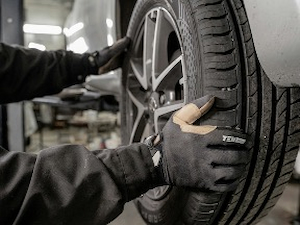
Creating a safe garage is not complicated, but it requires attention to detail, good housekeeping, proper training, and a commitment to following safe work procedures every day.
Common Hazards Found in an Auto Repair Garage
Mechanics face a wide variety of workplace hazards, often several at the same time. Understanding these hazards is the first step toward preventing injuries.
Vehicle Hazards
Vehicles can roll, shift, or fall unexpectedly if they are not properly secured. Workers may also be struck by vehicles entering, leaving, or moving around the shop.
Common vehicle hazards include:
- Vehicles rolling unexpectedly
- Improperly supported vehicles
- Blind spots during vehicle movement
- Crushing hazards between vehicles and equipment
- Pinch points around suspension and steering components
Never assume a driver can see you. Make eye contact before approaching a moving vehicle, and stay clear of blind spots whenever possible.
Slip, Trip, and Fall Hazards
Garage floors frequently become contaminated with oil, grease, coolant, water, or fuel. Hoses, extension cords, tools, and vehicle parts can quickly create tripping hazards.
Slips and falls are among the most common workplace injuries in repair shops, but they are also among the easiest to prevent through good housekeeping and prompt cleanup of spills.
Tool Hazards
Mechanics use hand tools, pneumatic tools, battery-powered tools, grinders, presses, and other equipment every day.
Before using any tool:
- Inspect it for damage.
- Verify guards are in place.
- Replace damaged electrical cords.
- Use the correct tool for the job.
- Follow the manufacturer’s instructions.
Improvised repairs or using damaged tools can quickly lead to serious injuries.
Good Housekeeping Prevents Injuries
A clean garage is a safer garage.
Good housekeeping reduces many of the hazards mechanics encounter throughout the day. Walkways, exits, and work areas should remain clear so employees can move safely around the shop. Tools should be returned to their designated storage locations after use, and heavy parts should be stored securely to prevent them from rolling or falling.
OSHA Standard 1910.22(a)(1) The employer must ensure all places of employment, storerooms, service rooms, and walking-working surfaces are kept in a clean, orderly, and sanitary condition.
Develop the habit of cleaning spills immediately instead of waiting until the end of the day. Even a small amount of oil can create an unexpected slipping hazard.
Other housekeeping best practices include:
- Keep service bays organized.
- Secure floor openings and service pits when not in use.
- Store hoses and extension cords to prevent trips.
- Remove scrap materials regularly.
- Dispose of waste properly.
Good housekeeping also improves efficiency by making tools and equipment easier to locate.
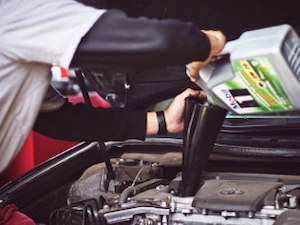
Personal Protective Equipment for Mechanics
The proper personal protective equipment (PPE) depends on the task being performed.
Safety glasses should be considered basic protection in almost every automotive repair environment. Face shields may be necessary when grinding, cutting, or performing work that creates flying debris. Hearing protection may be required when using impact tools, grinders, or other noisy equipment.
Choosing the Right Gloves
Gloves protect against cuts, burns, chemicals, and abrasions, but they are not appropriate for every task.
OSHA Standard 1910.138(a) Employers shall select and require employees to use appropriate hand protection when employees' hands are exposed to hazards such as those from skin absorption of harmful substances; severe cuts or lacerations; severe abrasions; punctures; chemical burns; thermal burns; and harmful temperature extremes.
Loose-fitting gloves can become caught in rotating machinery such as drill presses, grinders, or other moving equipment. Workers should understand when gloves improve safety and when they create additional hazards.
Clothing Matters
Loose clothing, jewelry, hoodie strings, and long hair can become entangled in rotating equipment.
Wear clothing that fits properly, remove jewelry before beginning work, and secure long hair to reduce entanglement hazards.
Safety toe footwear can also help protect against injuries caused by dropped brake rotors, wheels, engines, transmissions, and other heavy components.
Safe Lifting and Material Handling
Mechanics regularly handle heavy and awkward vehicle components.
Brake drums, transmissions, tires, batteries, cylinder heads, and engines can all place significant stress on the body if lifted improperly.
Whenever possible:
- Use lifting equipment instead of manual lifting.
- Get assistance with heavy or awkward loads.
- Keep loads close to your body.
- Avoid twisting while lifting.
- Set heavy parts down carefully.
Using an engine hoist, transmission jack, lifting table, or other mechanical aid can significantly reduce the risk of strains and sprains.
Vehicle Lift and Jack Safety
Working beneath a vehicle is one of the highest-risk activities in an automotive repair shop.
Before raising any vehicle:
- Verify the lift has been inspected and is operating properly.
- Position lift arms at the manufacturer’s recommended lifting points.
- Confirm the vehicle is balanced.
- Raise the vehicle slightly and perform a stability check before lifting it completely.
Workers should never position themselves beneath a vehicle until they are certain it is properly supported.
OSHA Standard 1910.244(a)(2)(i) In the absence of a firm foundation, the base of the jack shall be blocked. If there is a possibility of slippage of the cap, a block shall be placed in between the cap and the load.
Never Rely on a Hydraulic Jack Alone
Floor jacks are designed to lift vehicles—not support them.
Once a vehicle has been raised, place properly rated jack stands under appropriate support points before working underneath. Hydraulic jacks can fail without warning due to leaks, overloads, or mechanical failure.
Never use wood blocks, concrete blocks, bricks, or makeshift spacers to increase the lifting height of a jack. Doing so can create an unstable support system that greatly increases the risk of collapse.
Fire Prevention in an Auto Repair Shop
Auto repair facilities routinely store gasoline, diesel fuel, oils, solvents, aerosol products, cleaners, paints, and other flammable materials.
Preventing fires starts with controlling ignition sources.
OSHA Standard 1910.106(e)(9)(iii) Combustible waste material and residues in a building or unit operating area shall be kept to a minimum, stored in covered metal receptacles and disposed of daily.
Good fire prevention practices include:
- Store flammable liquids in approved containers.
- Keep combustible materials away from welding and grinding operations.
- Dispose of oily rags in approved metal containers when required.
- Clean fuel spills immediately.
- Do not smoke around flammable liquids.
- Keep portable fire extinguishers readily accessible.
Knowing where fire extinguishers are located before an emergency occurs can save valuable time during an incident.
Carbon Monoxide Hazards in a Garage
Carbon monoxide (CO) is one of the most serious hazards in an enclosed automotive repair facility.
Because carbon monoxide is colorless, odorless, and tasteless, workers may not realize dangerous concentrations are building until symptoms develop.
Early symptoms can include headache, dizziness, weakness, nausea, and confusion. As exposure increases, carbon monoxide poisoning can become life-threatening.
Never allow an engine to run inside an enclosed garage unless adequate exhaust ventilation or an approved vehicle exhaust extraction system is being used.
Chemical Safety
Mechanics routinely work with products that can irritate the skin, damage the eyes, or create respiratory hazards.
Always read product labels and review the Safety Data Sheet (SDS) before using unfamiliar chemicals.
Wash your hands thoroughly after handling chemicals and before eating, drinking, smoking, or touching your face. Never use gasoline or solvents to clean your skin. Instead, use soap or an appropriate hand cleaner designed for automotive work.
Electrical Safety Around Vehicles
Modern vehicles contain high-current electrical systems that can create serious hazards.
Disconnect battery power when appropriate before servicing electrical components, and follow the manufacturer’s recommended procedures when working on hybrid or electric vehicles. High-voltage systems found on electric vehicles require specialized training, equipment, and procedures.
Inspect electrical cords before use, protect cords from damage, and never operate equipment with damaged insulation or exposed wiring.
Compressed Air Safety
Compressed air is commonly used for tire service, cleaning equipment, and operating pneumatic tools.
Compressed air should never be directed at yourself or another worker. Air forced beneath the skin can cause serious injury, and compressed air can propel dirt, metal particles, or other debris into the eyes or skin.
Workers should also avoid using compressed air to clean their clothing or body. A vacuum or other approved cleaning method is a much safer alternative.
Emergency Preparedness
Every mechanic should know what to do before an emergency occurs.
Emergency equipment should be easy to locate and remain unobstructed. This includes:
- Fire extinguishers
- Eyewash station and safety shower
- First aid supplies
- Spill response kits
- Emergency exits
Employees should report injuries, chemical spills, damaged equipment, and unsafe conditions immediately so they can be addressed before they lead to more serious incidents.
Frequently Asked Questions
Working in an auto mechanics’ garage involves many different hazards, and employees often have questions about the safest way to perform common tasks. Below are answers to some of the most frequently asked questions about garage safety, vehicle lifting, personal protective equipment, housekeeping, and other important workplace safety practices.
What is the biggest safety hazard in an auto repair shop?
There is no single biggest hazard. Mechanics commonly face risks from vehicle lifts, moving vehicles, chemicals, fire, slips and falls, powered tools, electrical systems, and carbon monoxide exposure.
Can you work under a vehicle supported only by a floor jack?
No. A hydraulic floor jack is designed to lift a vehicle, not support it while work is performed. Properly rated jack stands or an approved vehicle lift should always be used.
Why is housekeeping so important in a garage?
Keeping the shop clean reduces slip, trip, and fall hazards, prevents tools from becoming obstacles, improves efficiency, and helps identify unsafe conditions before they cause injuries.
Should mechanics always wear gloves?
Not always. Gloves should be selected based on the task. While they protect against cuts, chemicals, and burns, loose gloves can create entanglement hazards around rotating equipment.
Why is carbon monoxide dangerous in a garage?
Carbon monoxide cannot be seen or smelled. It can quickly accumulate when engines run inside enclosed spaces and can cause serious illness or death without adequate ventilation.
Creating a Safer Auto Mechanics’ Garage
A safe auto mechanics’ garage depends on more than technical skill. It requires good housekeeping, proper use of tools and equipment, the right personal protective equipment, and a commitment to following safe work practices every day. By recognizing hazards before work begins, following established procedures, and looking out for one another, mechanics can reduce the risk of injuries and help create a safer, more productive workplace. Safety should be part of every repair, every inspection, and every job, no matter how routine it may seem.
.jpg)

.jpeg)