Ladders are involved in many serious workplace injuries every year. Falls from ladders are one of the leading causes of injuries and fatalities in construction and general industry workplaces. Because ladder failures and misuse can result in severe or even fatal injuries, ladder inspections are a critical part of workplace safety.
OSHA requires employers to ensure ladders are inspected regularly. However, even when periodic inspections are performed, every worker is still responsible for checking the ladder before use to make sure it is safe and in proper working condition.
OSHA Construction Standard 1926.1053(b)(15) Ladders shall be inspected by a competent person for visible defects on a periodic basis and after any occurrence that could affect their safe use.
OSHA General Industry Standard 1910.23(b)(9) Ladders are inspected before initial use in each work shift, and more frequently as necessary, to identify any visible defects that could cause employee injury.
Why Ladder Inspections Matter
Many ladder incidents happen because damaged ladders continue to be used or defects go unnoticed before climbing begins.
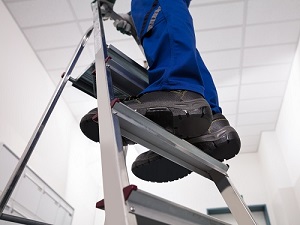
A damaged ladder can become unstable, collapse during use, or cause a worker to lose balance and fall. Even small defects, such as loose hardware or damaged feet, can create serious hazards.
Workers should never assume that a ladder is safe just because it was used earlier in the day or by another employee.
Importance of Ladder Safety Training
Everyone knows that safety training is crucial to the health and welfare of the workforce. However, simple “common sense” safety topics do not always receive enough attention during safety meetings and training sessions.
Do not assume that every employee has the same level of knowledge or experience when it comes to ladder safety. Workers may avoid asking questions because they do not want to appear inexperienced or embarrassed in front of coworkers.
Regular safety meetings, toolbox talks, or short safety reminders about basic topics like ladder inspections can help reinforce safe work practices and prevent unsafe assumptions.
What To Inspect on a Step Ladder
When planning a safety meeting or safety moment about step ladder inspections, emphasize these important inspection points.
Inspect Ladder Feet and Stability
Always visually inspect ladder feet to ensure that foot pads and foot assemblies are present and in safe condition.
Damaged or missing foot pads can cause the ladder to slip, shift, or become unstable during use.
Loose locking braces or spreaders can cause the ladder to wobble and become unstable.
Inspect the locking braces to make sure they fully engage and lock properly before climbing.
Check the Ladder Structure
Inspect the top cap, all steps, side rails, and locking braces on a step ladder before using it.
Look for cracks, bends, dents, broken steps, loose rivets, corrosion, or other structural damage that could weaken the ladder.
Inspect Labels and Safety Markings
Ladder inspections should include making sure that labels are readable and have not been painted over, damaged, or removed.
Safety labels contain important information about ladder ratings, warnings, and proper use instructions.
Check for Slip Hazards
Check the rungs and steps for mud, grease, oil, paint, or dirt that could create slip hazards while climbing or standing on the ladder.
Clean the ladder before use if contaminants are present.
Follow Manufacturer Instructions
Follow the manufacturer’s recommendations for proper inspection, maintenance, weight limits, and safe use of the specific ladder being used.
Different ladders may have different load capacities and safety requirements.
Never Repair a Damaged Ladder
Never attempt to repair a ladder yourself.
Do not use wire, screws, bolts, duct tape, electrical tape, rope, or other makeshift methods to repair a damaged ladder.
If a ladder is damaged or defective, tag it and remove it from service immediately.
Unsafe Ladder Uses To Avoid
Never use a step ladder in the folded position as an extension ladder.
Step ladders are designed to be fully opened with the spreaders locked into place before use.
Using a step ladder improperly can cause the ladder to collapse or tip over.

.jpg)
