In the warehouse, on the jobsite, in the field or in your house, these spiders can inflict some damage. If brown recluse spiders are present in your area of the country, please raise awareness with employees at least once a year during a safety meeting.

Brown recluse spiders are venomous spiders that can pose a serious health hazard to workers and homeowners in certain parts of the United States. Although bites are relatively uncommon, a brown recluse spider bite can cause significant tissue damage and may require medical treatment.
Workers in warehouses, storage facilities, construction sites, garages, crawl spaces, utility rooms, sheds, and outdoor work areas may encounter brown recluse spiders while moving materials, cleaning undisturbed areas, or reaching into dark spaces.
If brown recluse spiders are known to exist in your region, employers should include spider awareness and bite prevention as part of regular workplace safety discussions.
OSHA Standard 1926.21(b)(4) says that in job site areas where harmful plants or animals are present, employees who may be exposed shall be instructed regarding the potential hazards, and how to avoid injury, and the first aid procedures to be used in the event of injury.
Understanding Brown Recluse Spiders
Brown recluse spiders are most commonly found in the central and southern United States.
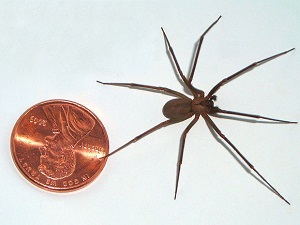
They are usually light to dark brown in color and are best known for the dark violin-shaped marking located on the top portion of the body behind the eyes. Because of this marking, they are sometimes called “violin spiders” or “fiddleback spiders.”
One unique characteristic of the brown recluse spider is its eye pattern. Most spiders have eight eyes arranged in four pairs, but brown recluse spiders have six eyes arranged in three pairs.
Brown recluse spiders prefer dark, dry, quiet areas where they are unlikely to be disturbed. They are commonly found in:
- Cardboard boxes
- Storage areas
- Closets
- Attics
- Basements
- Wood piles
- Sheds
- Under furniture
- Behind stored materials
- Crawl spaces
- Inside rarely used equipment or clothing
Because these spiders avoid human contact, bites often happen when a person accidentally presses the spider against the skin.
Workplace Areas Where Exposure May Occur
Workers may encounter brown recluse spiders in areas that are cluttered, undisturbed, or rarely cleaned. Higher-risk work activities may include:
- Moving stored materials
- Cleaning storage rooms or warehouses
- Handling boxes or pallets
- Working in crawl spaces
- Reaching into dark corners or equipment
- Handling firewood or debris
- Performing maintenance work in abandoned or low-traffic areas
Workers should remain alert when handling materials that have been sitting untouched for long periods of time.
Preventing Brown Recluse Spider Bites
Prevention begins with awareness, housekeeping, and safe work practices.
Inspect Work Areas Before Starting
Inspect work areas for signs of spiders or spider webs before beginning work.
Use caution when reaching into dark or hidden spaces where visibility is limited.
Avoid placing bare hands into boxes, piles of materials, or storage areas without first checking for pests or insects.
Wear Proper Protective Clothing
Wear gloves, long sleeves, long pants, and sturdy footwear when working in areas where spiders may be present.
Light-colored clothing may help workers spot spiders more easily.
Shake out gloves, boots, clothing, and protective gear before use if they have been stored in garages, sheds, or storage areas.
Maintain Good Housekeeping
Keeping work areas clean can help reduce places where spiders hide.
Remove unnecessary clutter, trash, cardboard piles, and debris whenever possible.
Regular cleaning and organization of storage areas can reduce spider activity and improve visibility of hazards.
Brown Recluse Spider Bite Symptoms
Many brown recluse spider bites occur without immediate pain. In some cases, the bite may initially feel like a mild sting or go unnoticed entirely.
Over time, symptoms may develop around the bite area. Possible symptoms include:
- Redness around the bite
- Pain or burning sensation
- Swelling
- Blister formation
- Skin discoloration
- Tissue damage near the bite site
In more serious cases, tissue around the bite may begin to die, creating an open wound or ulcer that may take weeks or even months to heal.
Although severe reactions are uncommon, some people may experience additional symptoms like fever, chills, nausea, body aches, rash, or fatigue.
Children, older adults, and individuals with certain health conditions may be at greater risk for complications.
First Aid for a Brown Recluse Bite
If a worker is bitten by a brown recluse spider, or suspects they may have been bitten, prompt action should be taken.
Immediate First Aid Steps
- Wash the bite area with soap and water.
- Apply a cold pack or ice wrapped in cloth to help reduce swelling and discomfort.
- Keep the affected area elevated if possible.
- Avoid strenuous activity that may increase circulation of venom.
Do not attempt to cut the wound or remove venom from the bite area.
Seek Medical Attention
Seek medical attention as soon as possible after a suspected brown recluse spider bite.
Medical evaluation is important because tissue damage may worsen over time even if symptoms initially appear minor.
Immediate emergency care may be necessary if symptoms become severe.
Seek emergency medical attention if symptoms include:
- Difficulty breathing
- Severe swelling
- Chest pain
- Fever or chills
- Severe spreading pain
- Signs of infection
- Nausea or vomiting
Worker Awareness and Safety Training
Brown recluse spiders are not aggressive, but accidental encounters can happen in workplaces where spiders may hide in undisturbed areas.
Annual safety discussions about spider awareness can help workers recognize potential hazards, avoid unsafe behaviors, and understand what to do if a bite occurs.
Training should include:
- How to identify potential spider hiding areas
- Safe housekeeping practices
- Proper protective clothing
- Bite prevention methods
- First aid procedures
- Reporting procedures for bites or sightings
Awareness and prevention can help reduce the risk of serious injuries from brown recluse spider bites in the workplace.
.jpeg)

